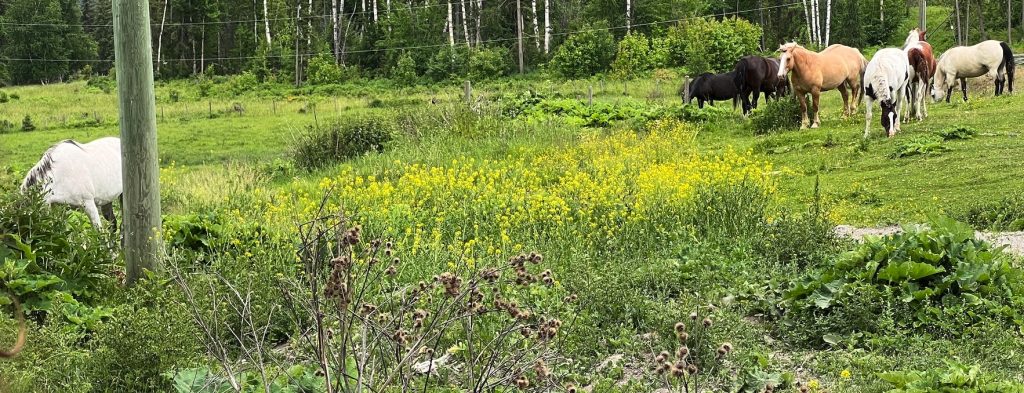
Singing Horse Ranch Herbs & Medicinals
Beaked Hazelnut (Corylus cornuta) – Although small in size, the nuts of beaked hazelnut are of good quality, and are very tasty. They grow within a green husk, whose long ‘beak’ has given rise to the name of this species. The nuts are ready to harvest in late August or early September. The nuts were eaten and commonly used as a trade good among indigenous groups — both the Lewis and Clark expedition and prolific early naturalist David Douglas bartered for beaked hazelnuts with local peoples they encountered. It was used medicinally as emetic, for deworming, as an astringent, and for teething.
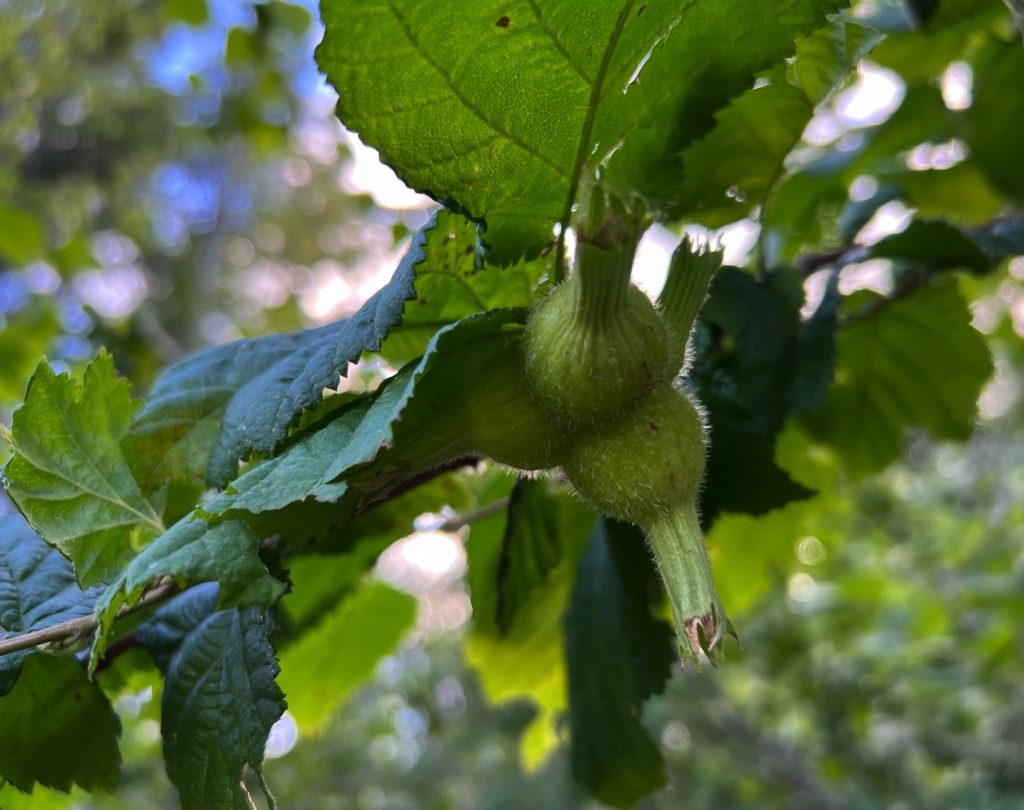
Beaked Hazelnut (Corylus cornuta)

Beaked Hazelnut close up
Burdock (Arctium minus) – Burdock can be used to make baskets, rope and cloth. It’s root is nutritious and edible, and popular in Japan (eaten with carrots and soy). Velcro was invented upon studying its burrs. And the root can be tinctured into a powerful medicine with anti-cancer action. Arctigenin is a tumor specific agent in burdock that inhibits the proliferation of cancer cells. The inulin in burdock root (that separates out when you make a tincture) has been shown in lab trials to improve the intestinal microbiota of mice when given at night. Burdock root cleanses the blood, liver, pancreas, gallbladder, spleen and lymph.
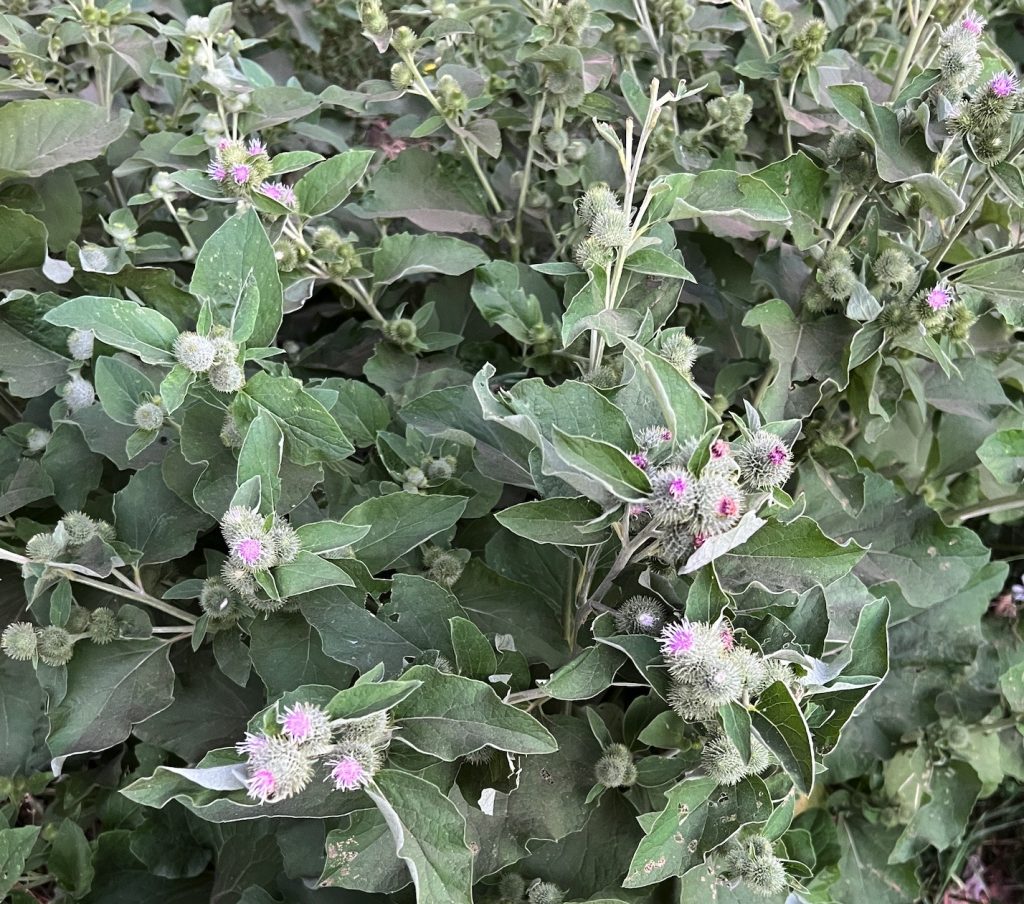
Burdock (Arctium minus)
Chicory (Cichorium intybus L.) – All parts of the plant contain volatile oils that act as a digestive tonic, primarily as a laxative and as an agent that inhibits the reproduction of intestinal worms. German folk medicine has also applied the flower to treating gallstones and sinus infections. Chicory can trigger the production of bile, so those who suffer from gallstones should not use it.
When consumed in salads, chicory can aid digestive functions. When brewed into a hot tea, chicory can help prevent liver damage and fight sinus infections. When applied topically, the raw and crushed leaves of chicory can help treat and prevent fungal growth on the skin.
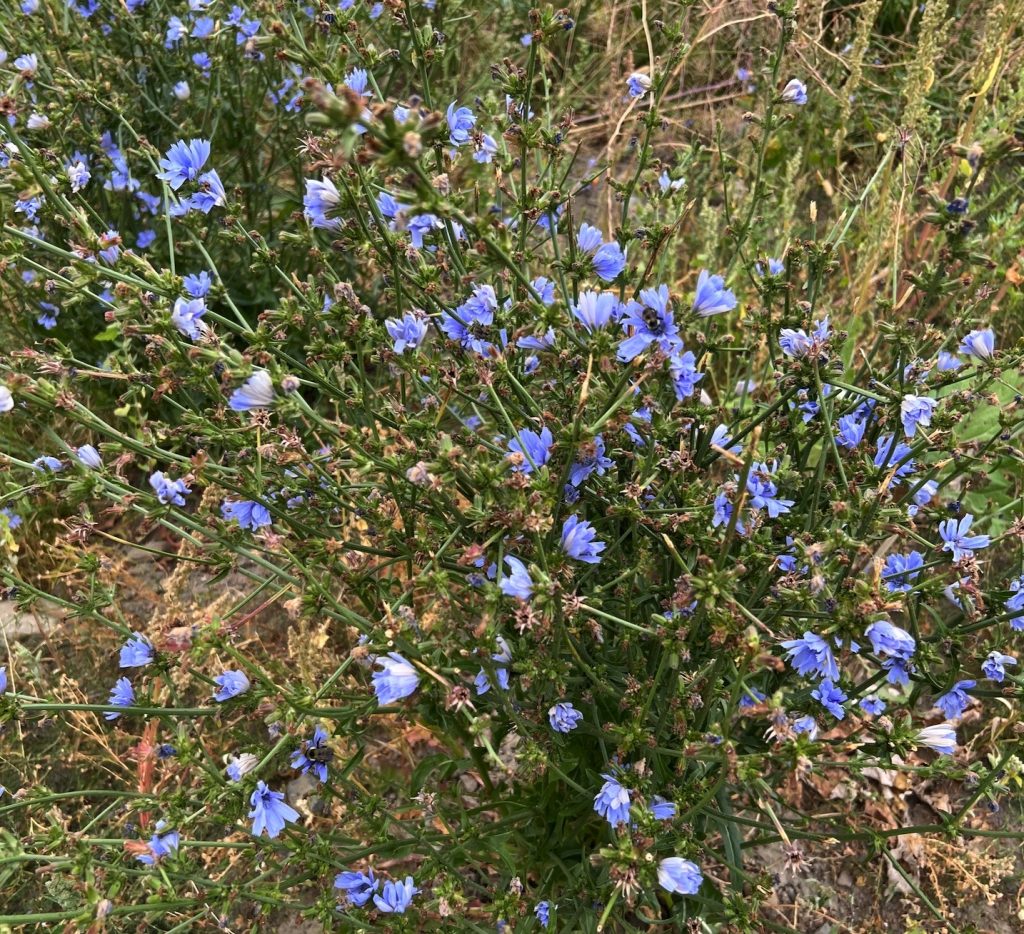
Chicory (Cichorium intybus L.)
Chickweed (Stellaria media) – The leaf is used to make medicine. People take chickweed for constipation, stomach and bowel problems, blood disorders, asthma and other lung diseases, obesity, a vitamin C deficiency disease called scurvy, a skin condition called psoriasis, rabies, itching, and muscle and joint pain. The entire plant is edible; add to salads, sandwiches or make pesto with it. Chickweed grows in dense mats and that hold soil together in the same way that cover crops do.
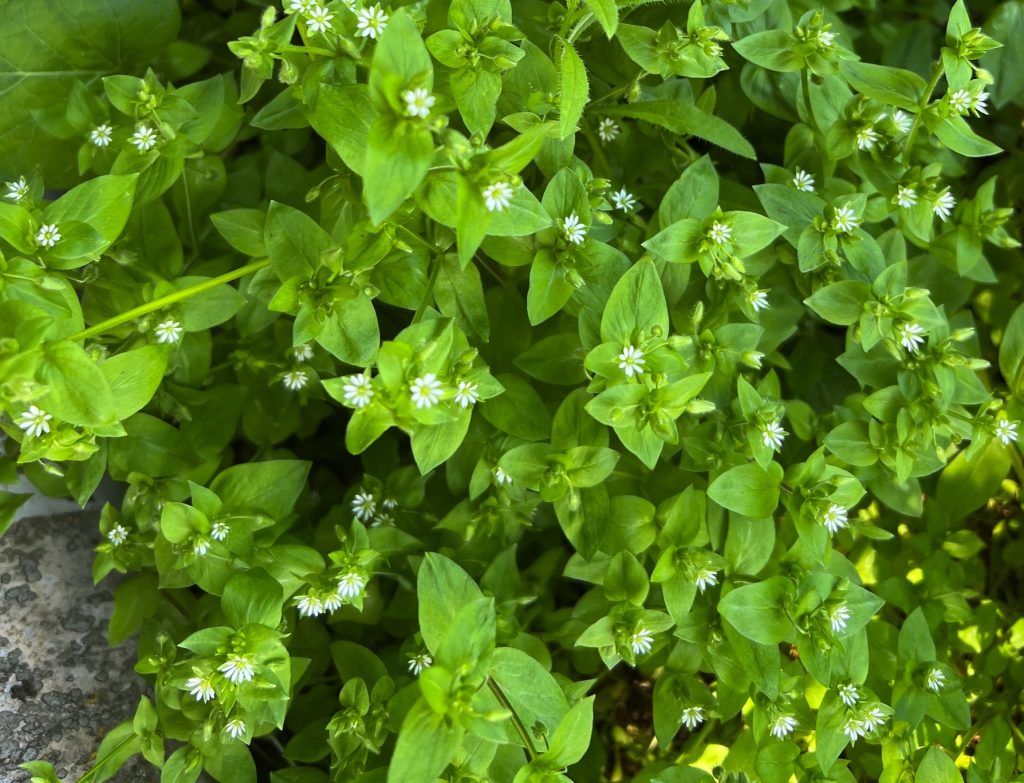
Chickweed (Stellaria media)
Comfrey (Symphytum officinale) – The same properties that enable comfrey to regrow a whole new plant from a bit of root can also help the body heal injuries of the skin, joints, and muscles. Comfrey is such an amazing wound-healer that you must only use it on wounds where there is no infection – otherwise comfrey will heal so fast the infection will get trapped in the wound. Comfrey salve is fantastic for burns, scrapes, eczema, and insect bites. Can also be taken internally to heal broken bones super fast.
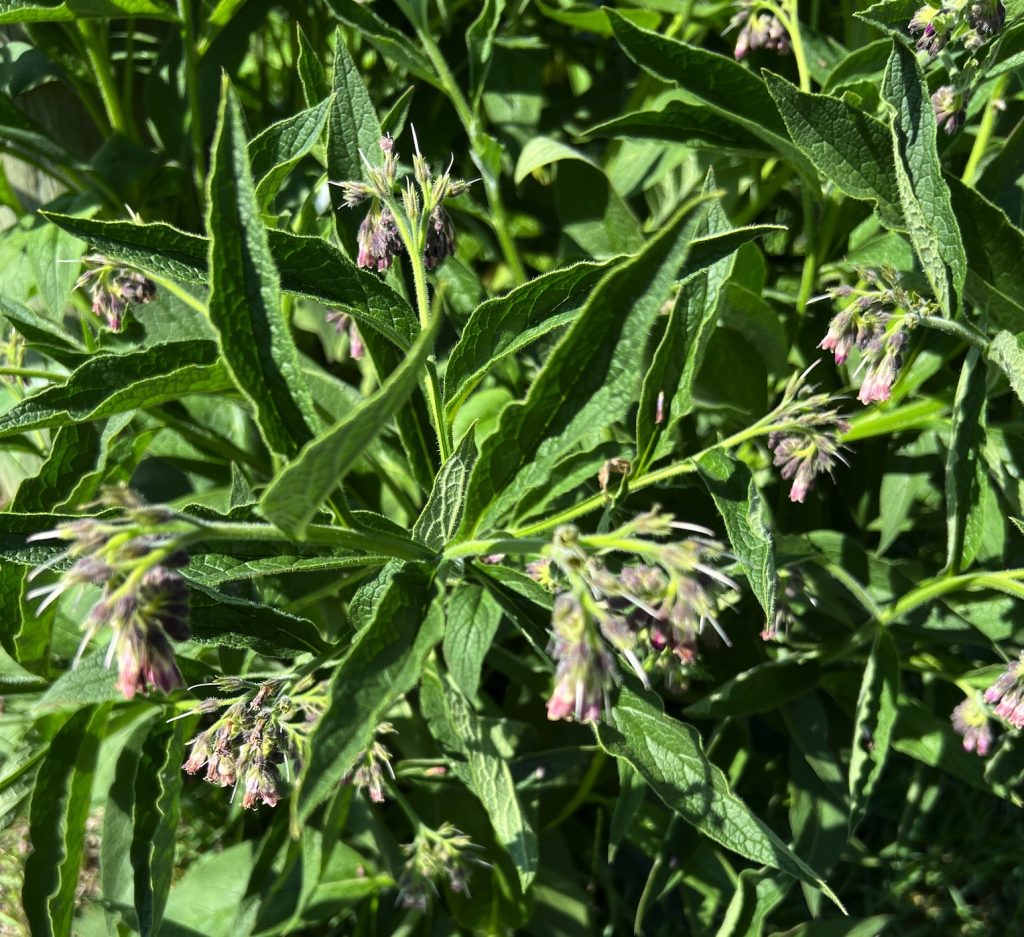
Comfrey (Symphytum officinale)
Dame’s Rocket (Hesperis matronalis) – The leaves are delicious with a flavor like sweet arugula. The young, tender leaves are pleasantly spicy raw (a nod to their heritage in the Brassicaceae or mustard family, just like regular arugula) but without any hint of bitterness. You can use dames rocket anywhere you’d use spinach. As dames rocket grows, the leaves develop chewy stems, and a hairy texture many won’t like. But, after a quick dip in boiling, salted water the texture is greatly improved and the leaves become sweet and delicious.
A key to identifying dames rocket vs phlox is looking at the flowers. Dames rocket always has 4 petals on the flowers. Phlox will have 5.
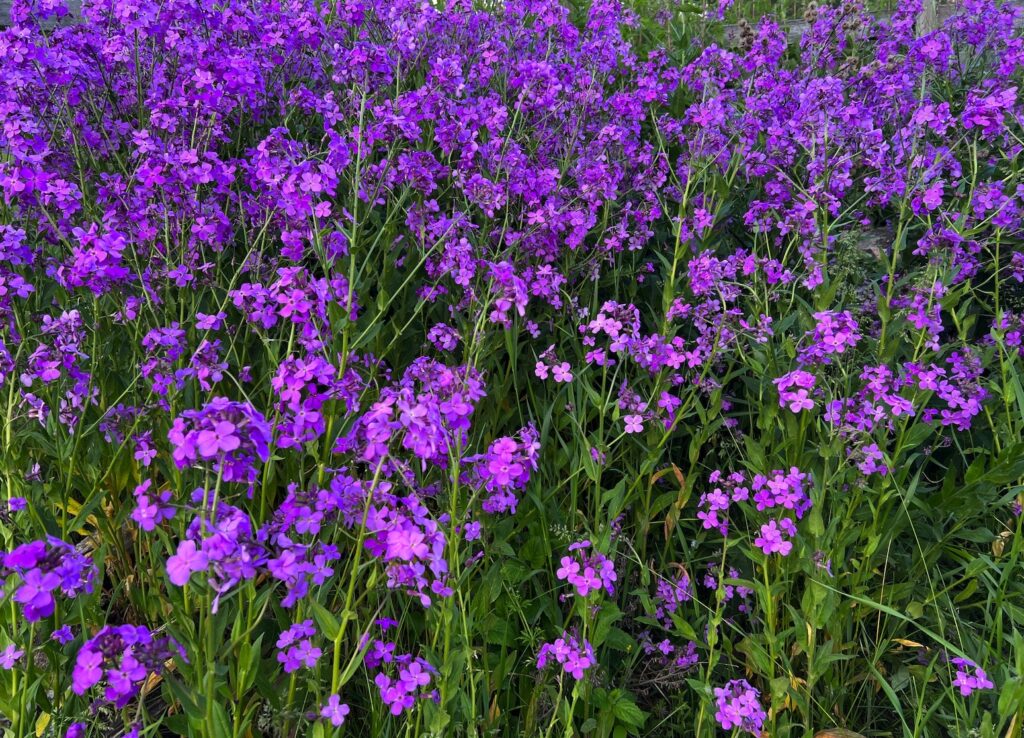
Dame’s Rocket (Hesperis matronalis)
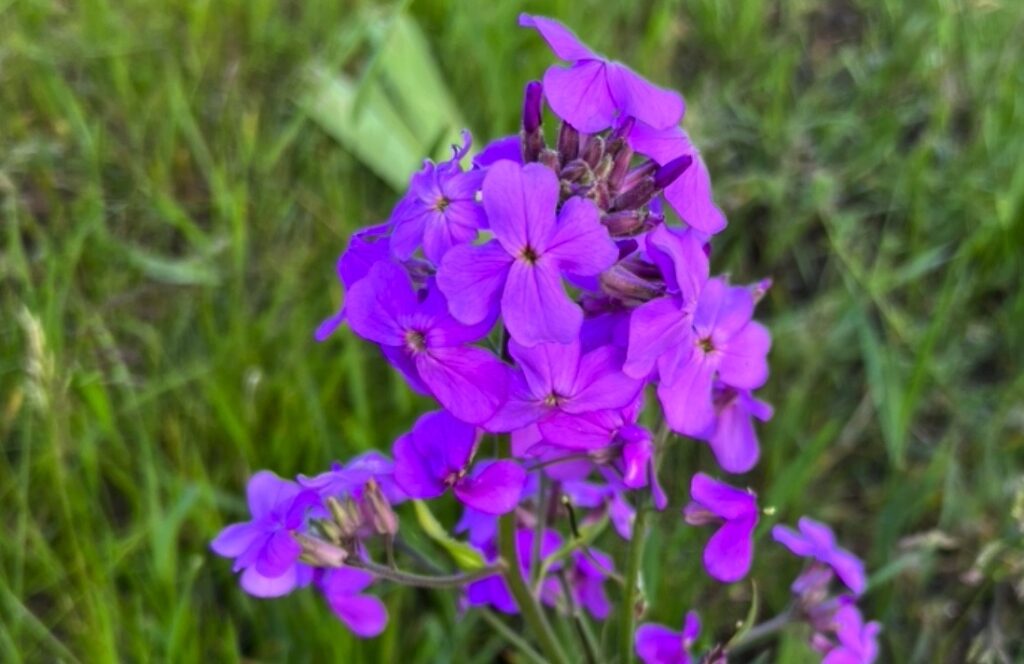
Dead Nettle (Lamium purpureum) is considered a weed, but it has some amazing medicinal properties. It is anti-inflamatory, so you can put it on bugbites or stings to help ease pain. Just grab a leaf, chew it up, and then pop it on the affected area. It can also be used to stop bleeding. In the past, Dead nettle was used as a diuretic and there are claims that it can help with kidney stones as well. Some people tincture it and use it as a seasonal allergy remedy, because it acts as an antihistimine.
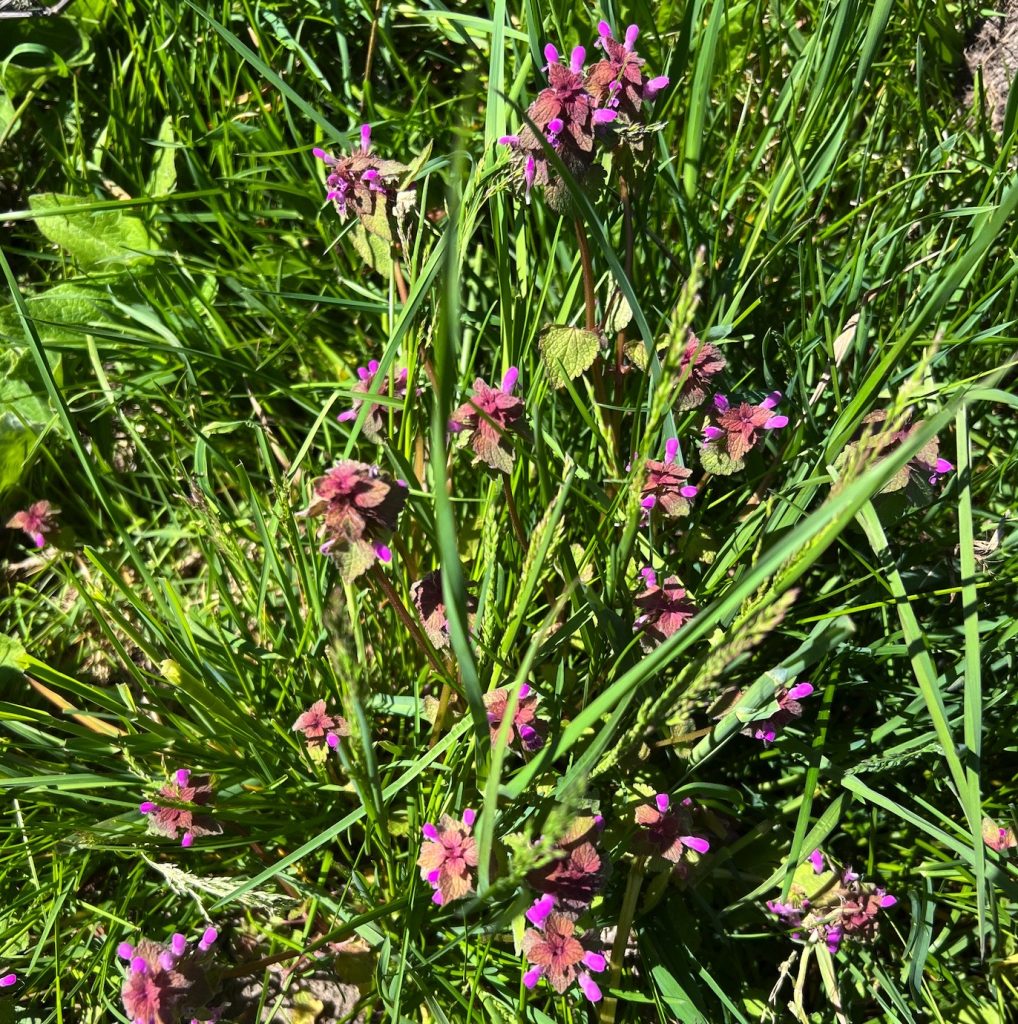
Deadnettle (Lamium purpureum)
Field Bindweed (Convolvulus arvensis) – also called creeping jenny and morning glory. Farmers don’t like it because its dense growth smothers native vegetation and crops preventing them from accessing resources. It makes a nice strong yellow dye on wool and silk. Gathering enough leaves for a dyepot really helps control the local population. Wait until the leaves are dark green and a bit tough looking for the best color. And simmer for a full hour to extract the color.
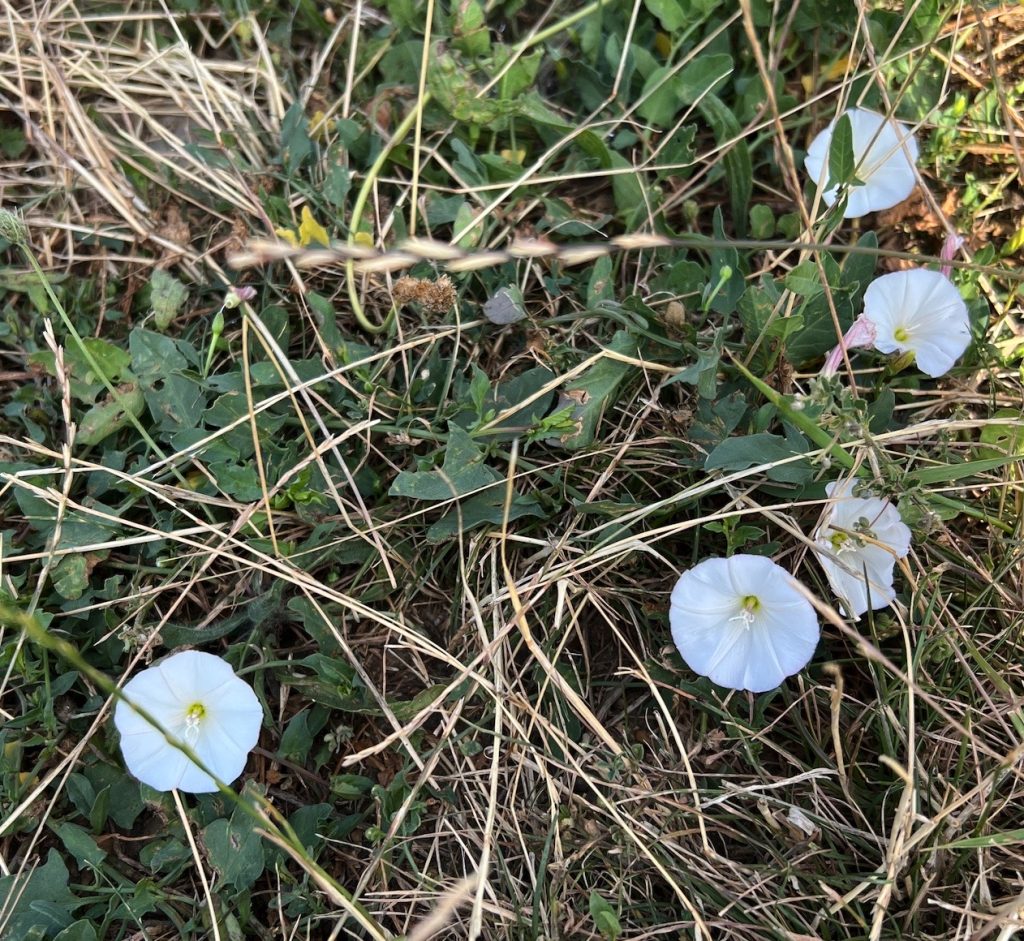
Field Bindweed (Convolvulus arvensis)

Wool and silk dyed yellow with Field Bindweed (c) A Wandering Botanist
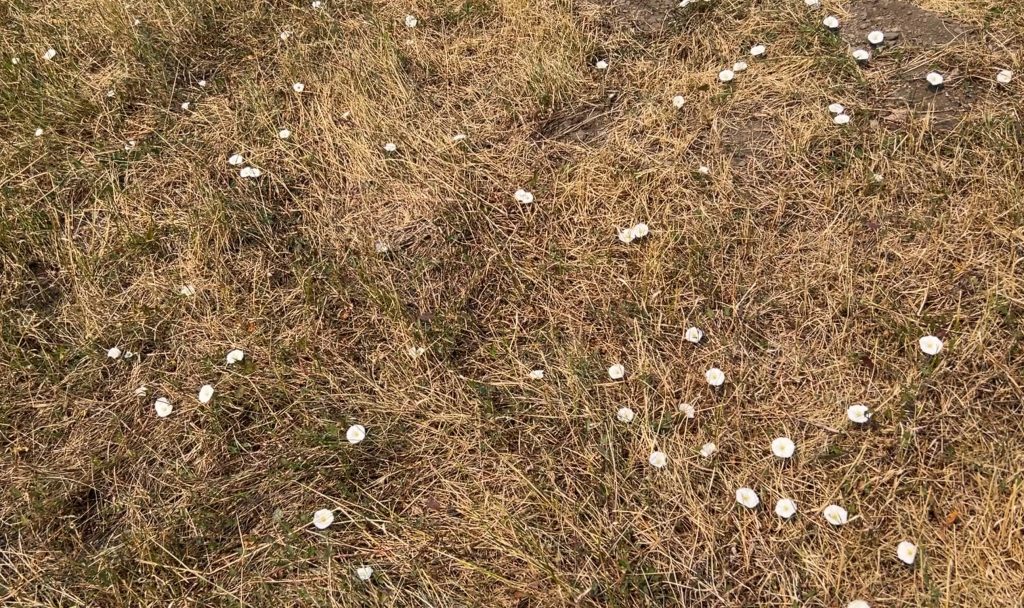
Here at the Singing Horse Ranch, we do not find that field bindweed has choked out the native grasses. All is in balance.
Forget-Me-Nots (Myosotis sylvatica) – Forget-me-not is a popular herbal tea in Chinese medicine, intended to promote skin beauty and speed up metabolism. They are edible flowers, but do contain some pyrrolizidine, a mildly toxic chemical that, if ingested in any great quantity, can cause harm. M. sylvatica species are really the most edible of the forget-me-nots and will likely cause no problems with either children or pets ingesting them.
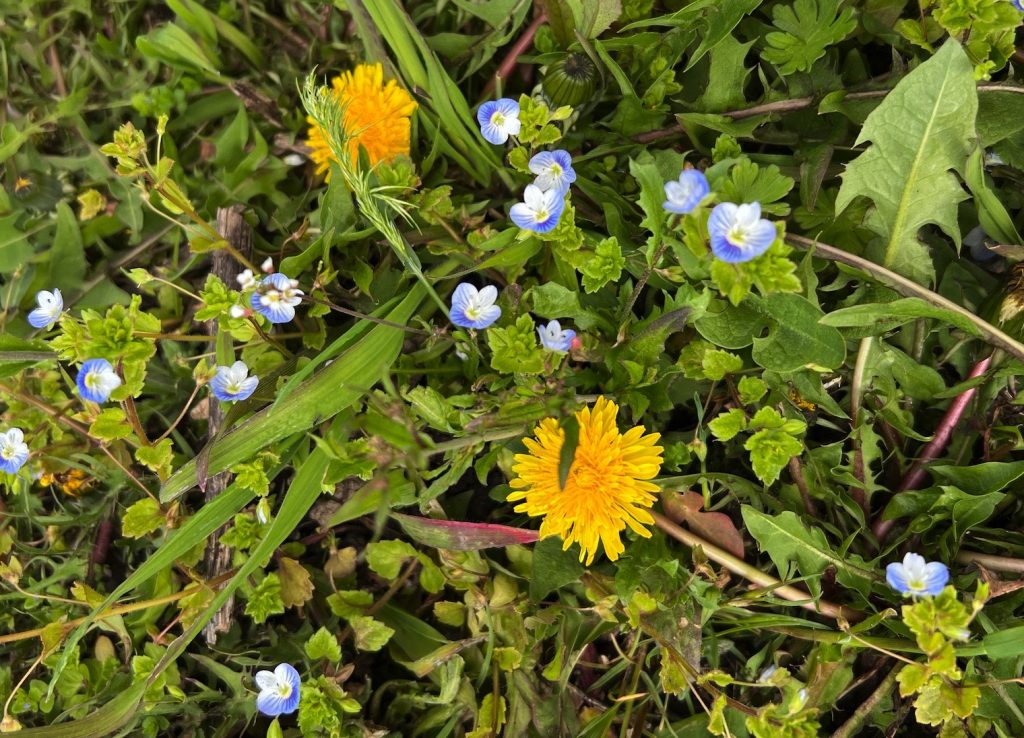
Forget-Me-Nots (Myosotis sylvatica)

How teeny-tiny Forget-Me-Nots can be in Spring
Heartleaf arnica (arnica cordifolia) – when applied intravenously or orally it causes a rise in body temperature. All parts of the plant may be used, but the flowers are used in preference to the root. A tincture is used as an external application to swellings, sprains, bruises and wounds. A salve applied to cuts helps to suppress infections.
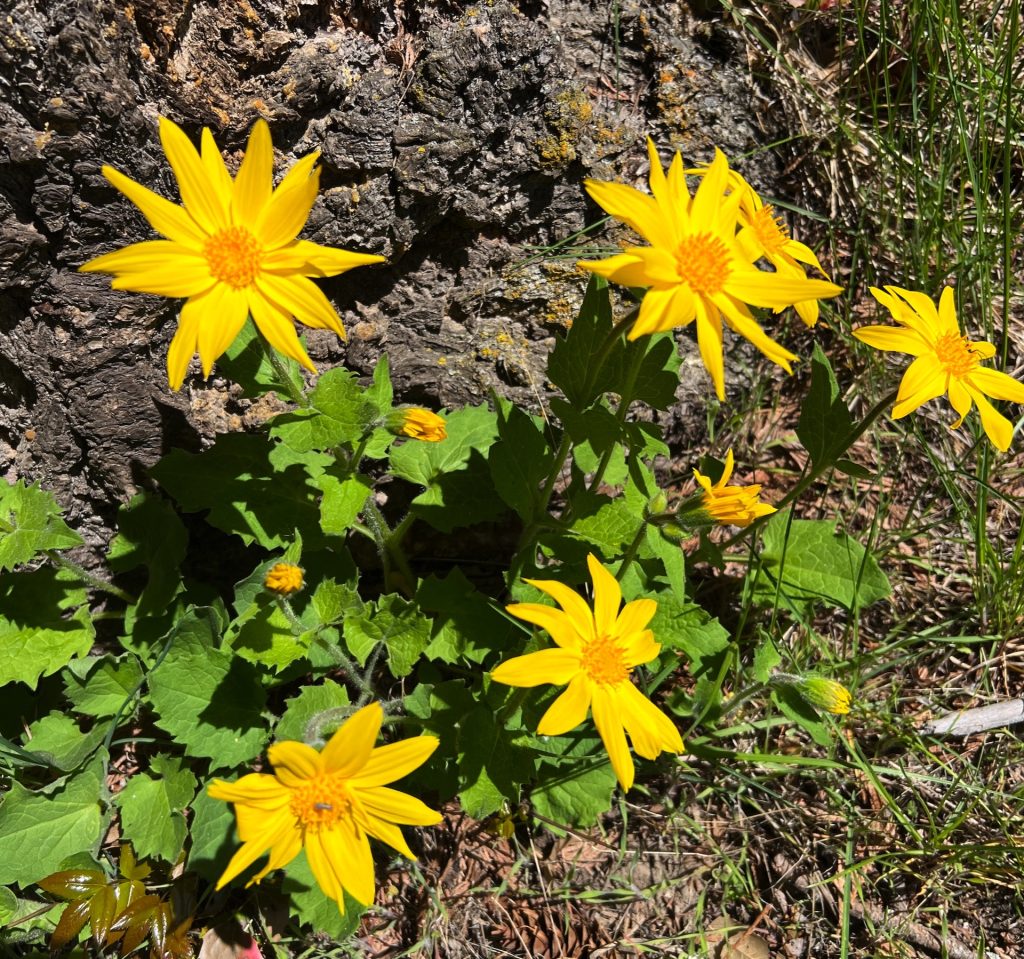
Heartleaf arnica (arnica cordifolia)
Hedge Mustard (Sisymbrium officinale) – The Ancient Greeks believed that Hedge Mustard was an antidote to all poisons. Nowadays, its edible leaves and seeds are used in salads in Europe, but it’s White mustard and Black mustard that tend to be cultivated to make popular condiments from their seeds. The leaves can be used in stir-frys, stews, soups or use the young leaves in a salad. This recipe shows you how to draw out any bitterness from the leaves and then create a delicious Palestinian salad with yogurt.
The whole plant is said to be antiaphonic, diuretic, expectorant, laxative and stomachic. This plant was at one time known as the ‘singer’s plant’ because of its use in treating loss of the voice and a strong infusion of the whole plant has been used in the treatment of throat complaints.
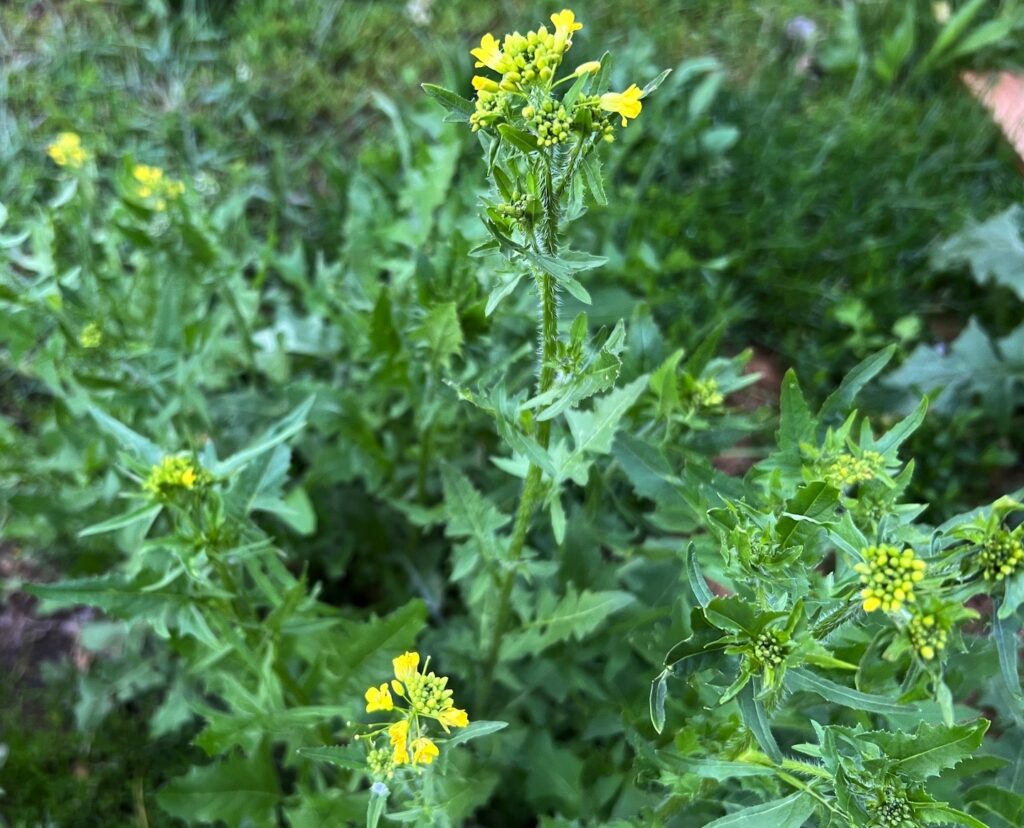
Hedge mustard (Sisymbrium officinale)
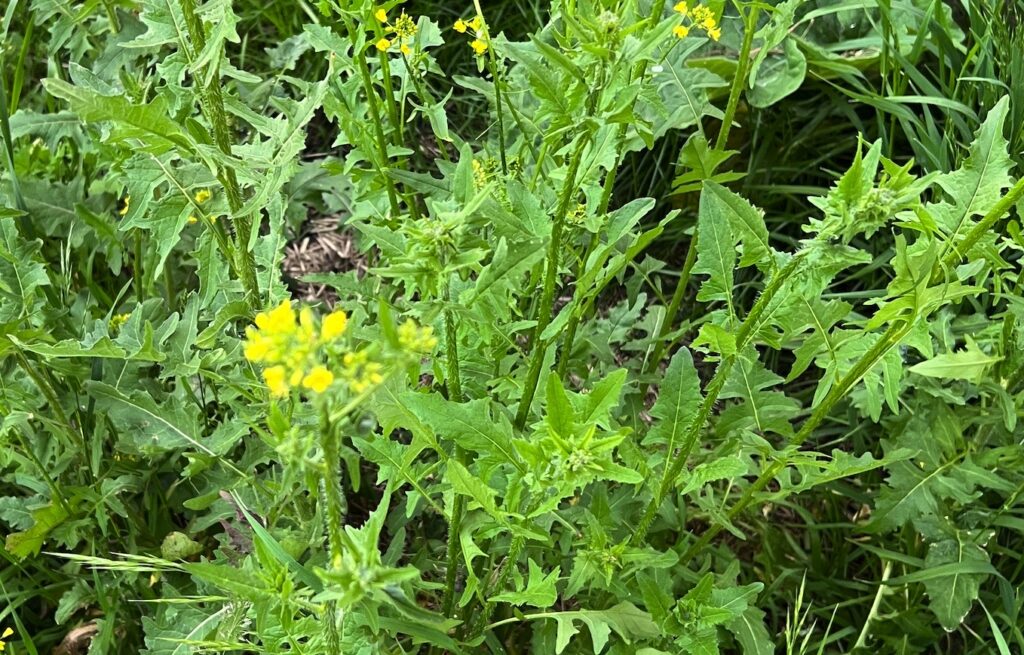
Hedge mustard greens – arrow shaped leaves
Hemp-Nettle (Galeopsis tetrahit) – In traditional medicine, hemp-nettle has been used to treat a wide range of ailments. It has been used as a diuretic, an expectorant, and a laxative. The plant has also been used to treat skin disorders, such as eczema and psoriasis. There are about 10 difference species of hemp-nettle, but the downy hemp-nettle is the species that is mainly used as a medicinal herb. Downy hemp-nettle’s anti-inflammatory properties make it a frequent means of treating musculoskeletal disorders.
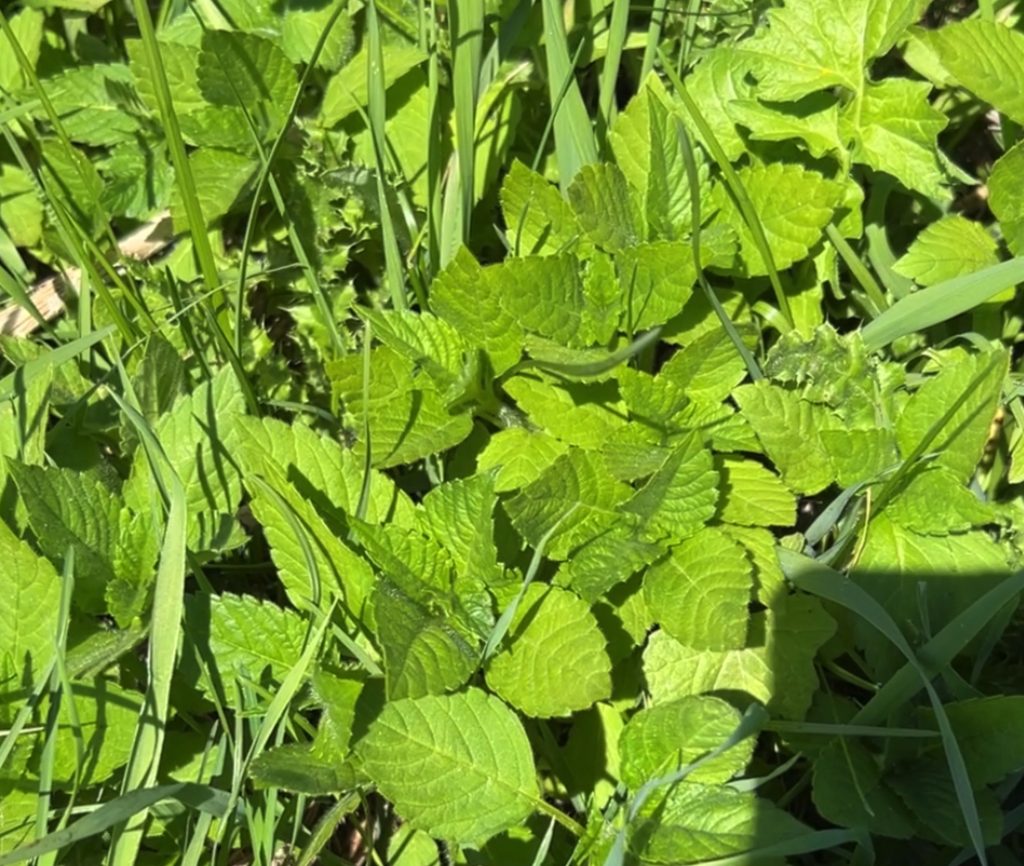
Hemp-Nettle (Galeopsis tetrahit)
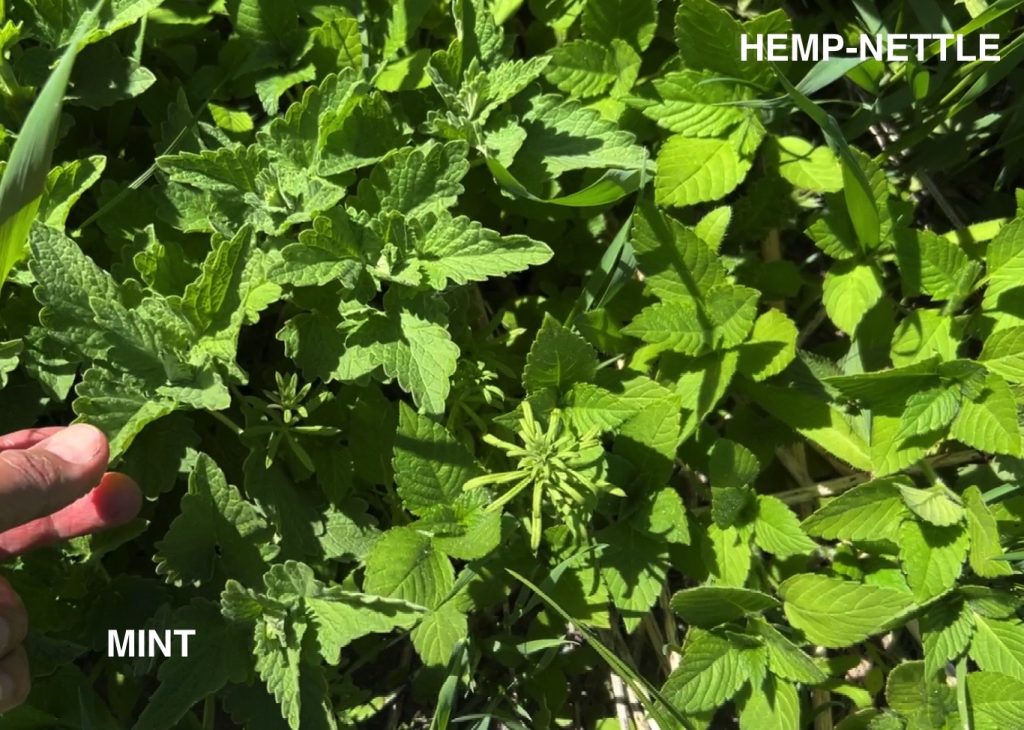
Wild Mint and Hemp-Nettle growing side-by-side; bordering Stinging Nettle
Hoary Alyssum (Berteroa incana) – is a member of the mustard family. Butterflies, beetles and the drone fly eat this plant. It is toxic to horses in large amounts, in both fresh and dried form. Sheep and cows also avoid this plant. No known medicinal uses.
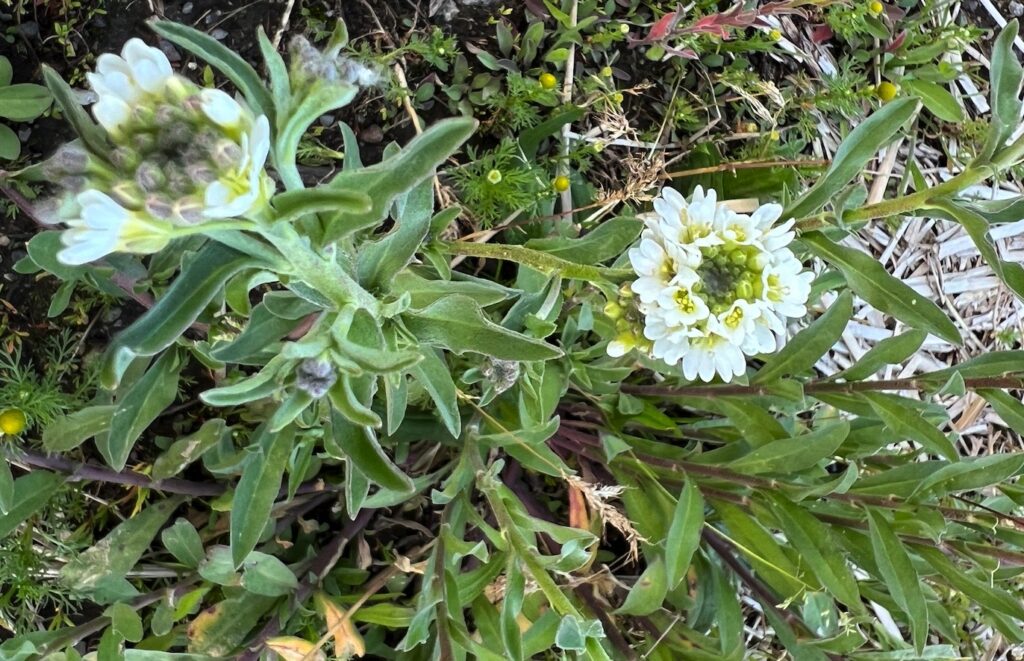
Hoary Alyssum (Berteroa incana)
Madwort (Asperugo procumbens) is an important medicinal plant in traditional herbal medicine systems such as Ayurveda, where it is used to treat respiratory and digestive disorders. The plant has also been used to make a tea that can help soothe the throat and alleviate coughs and colds. In traditional Iranian (Persian) medicine, the aerial part of the species is used to strengthen the nervous system and the heart, counteract dementia, as an antispasmodic and tranquilizer.
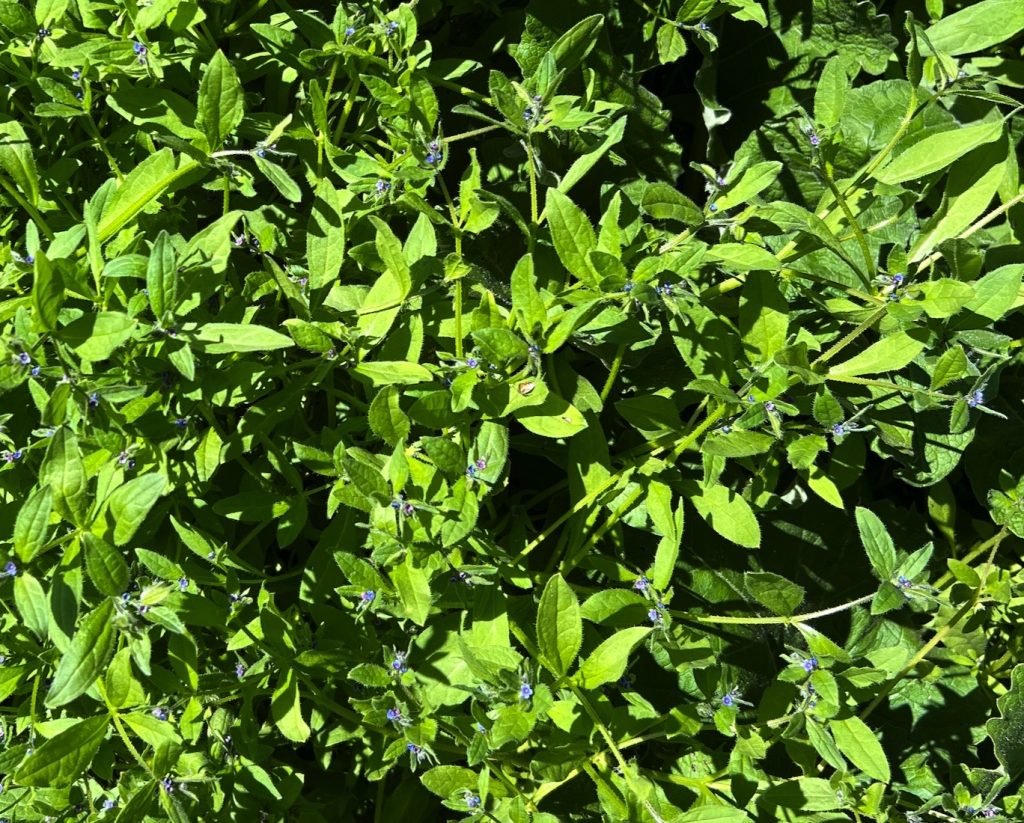
Madwort (Asperugo procumbens)
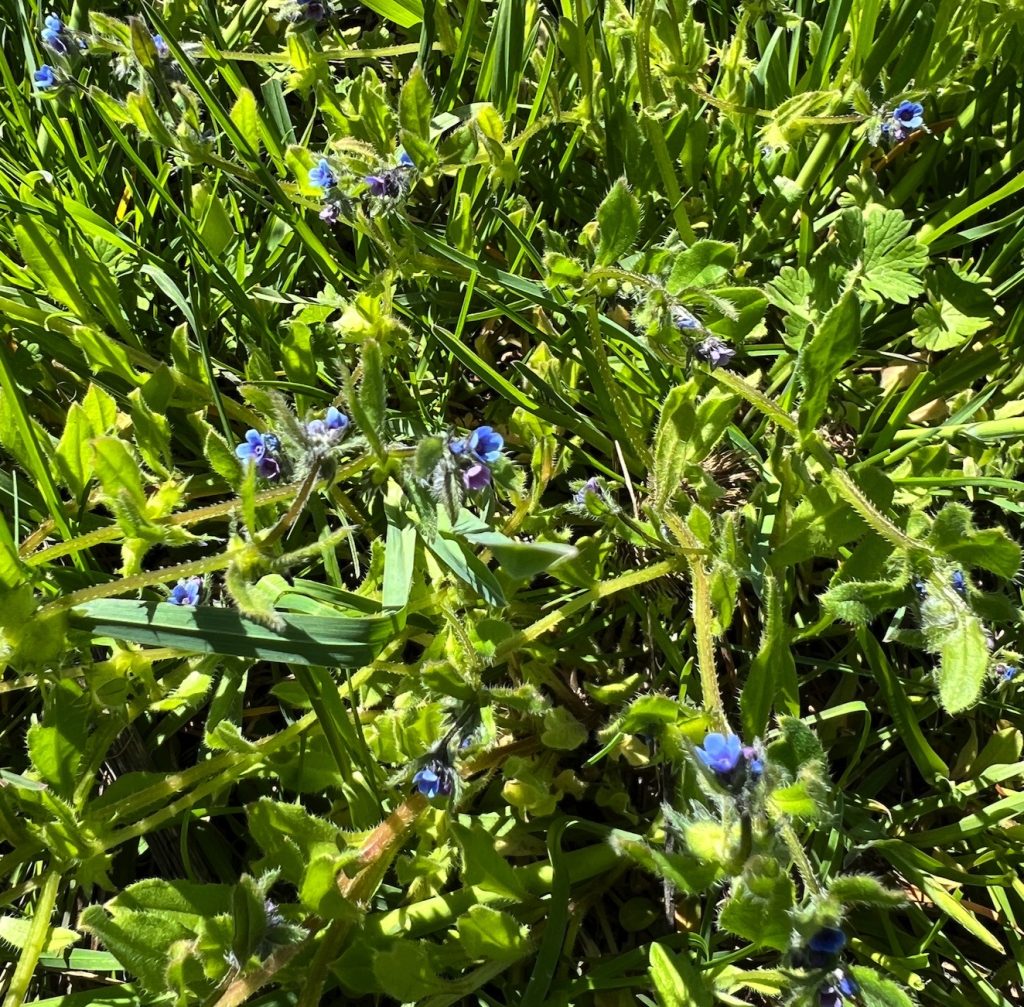
Madwort blooms
Menzie’s Fiddleneck (Amsinckia menziesii) — also called Rancher’s fiddleneck and is native to western North America. The common name refers to the fact that cattle won’t eat the plant, which can spread, crowding out native forage on rangelands. However, the leaves of the same plant are a favorite food for the larvae of several attractive butterflies. And the plant is frequented by birds for their seeds, and by insects which many birds also rely on for their food. The leaves are hairy and possess cystoliths, which are plant cells that contain deposits of calcium carbonate (chalk) and silicon dioxide (sand) taken up from the soil. These deposits serve the plant well as they may serve as a kind of protection from leaf-eating insects or other animals. They are visible as bumps on the leaf surface. But the hairs can also induce itching and rash in some individuals, especially in anyone who comes into contact with the plants regularly.
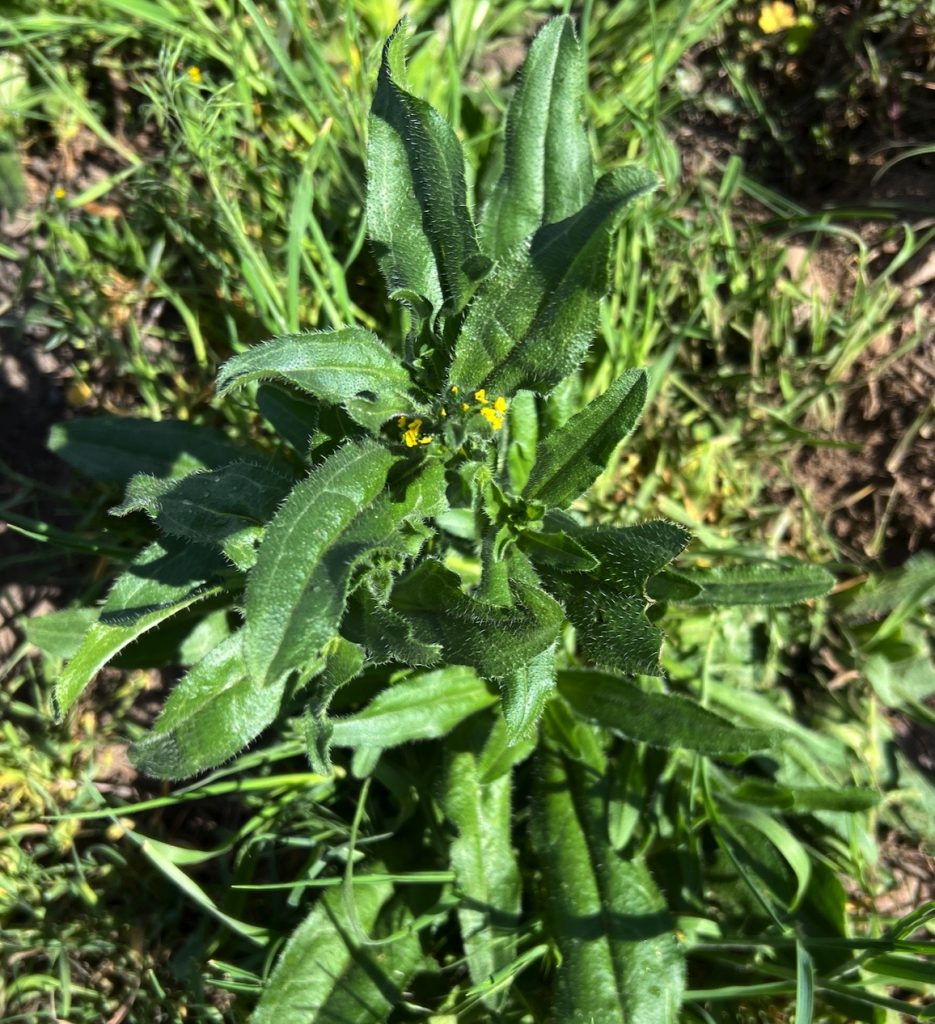
Menzie’s Fiddleneck (Amsinckia menziesii)
Mint•Wild (Mentha arvensis) – Wild mint is mainly prepared as a tea, and is traditionally used by First Nations people as a delicious hot beverage and a herbal remedy. The tea was used to treat a variety of ailments such as digestive issues and coughs, and an ointment made of mint could alleviate aches and pains. It can be used to flavour other food, and sprinkling powdered leaves on berries and drying meat will repel insects.
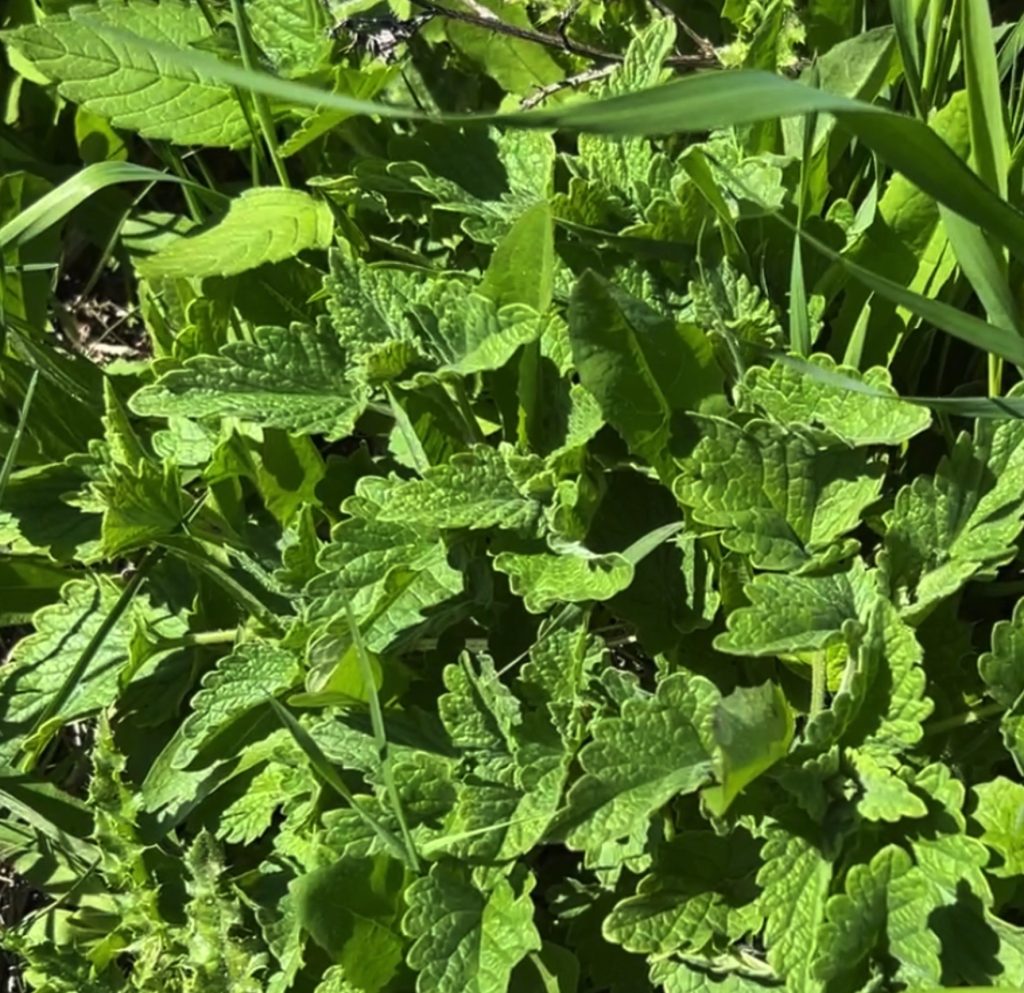
Wild Mint (Mentha arvensis)
Mullein (Verbascum thapsus) – The leaves, flowers and roots are used to treat various inflammatory diseases, diarrhea, asthma, coughs and other lung-related ailments. An oil made from the flowers is very commonly used to treat the pain and inflammation associated with earaches for children and adults alike. This plant might even be able to fight influenza, herpes viruses and some bacteria that cause respiratory infections. Can be ingested and applied topically. Mullein tea helps to relieve issues like sore throat, cough, colds, and bronchitis. Simmer leaves in boiling water for 5 minutes, then strain well.
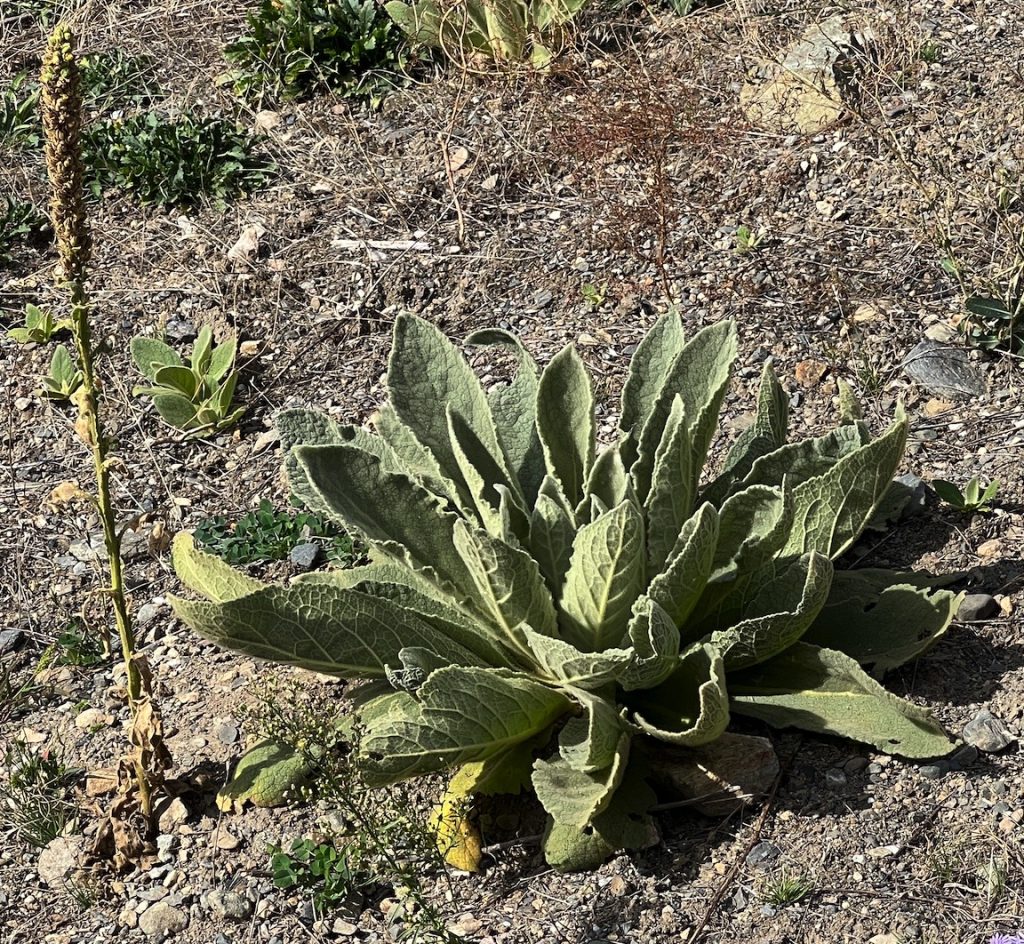
Mullein (Verbascum thapsus)
Orange Honeysuckle (Lonicera ciliosa) – Borne in dense terminal clusters just above a large round leaf, they are produced in succession from late spring to mid-summer. The flowers are edible either raw or cooked. Dry the flowers for use in tea: Place the flowers onto wire trays and let sit out of direct sunlight until dry and brittle. This will likely take a few days, depending on humidity and warmth. Once dry, place into airtight containers and store in a cool, dry place. Fresh honeysuckle flowers and mint can be used to make a lovely salad vinaigrette.
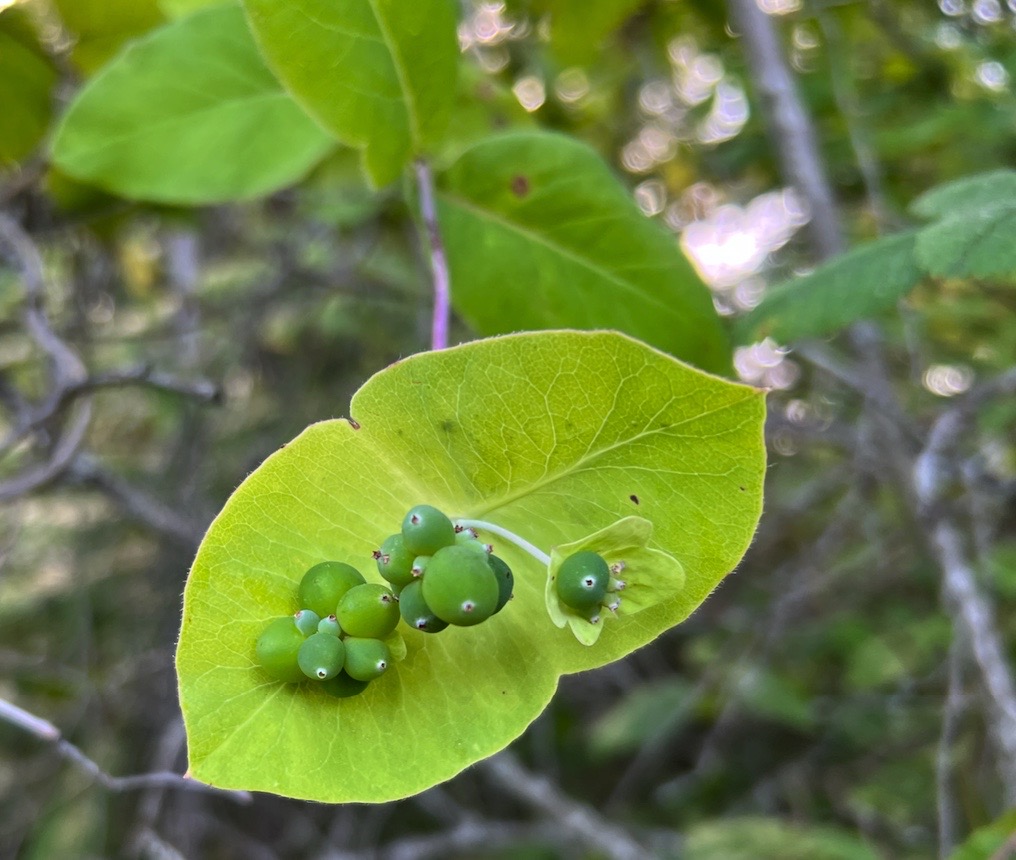
Orange honeysuckle (Lonicera ciliosa)
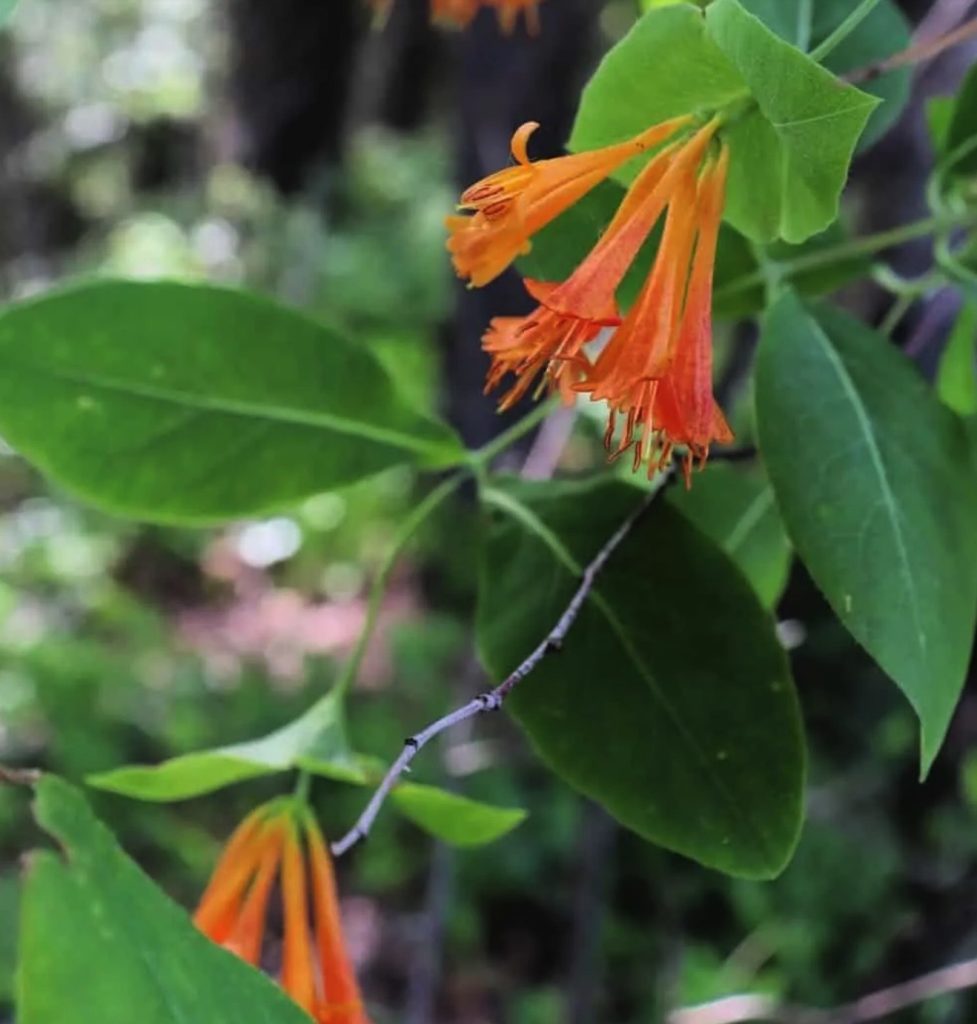
Orange honeysuckle flowers (c) Homespun Seasonal Living
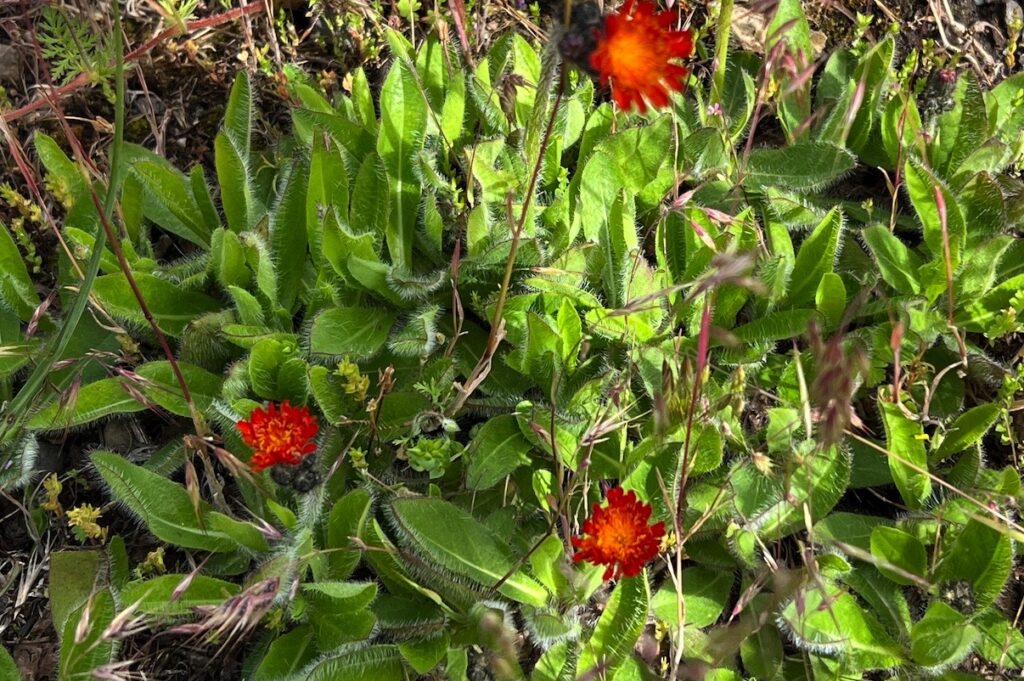
Orange Mountain Dandelion (Agoseris aurantiaca) – The leaves can be used as greens, cooked or uncooked. The flowers can be used to make beverages such as Dandelion beer and wine.
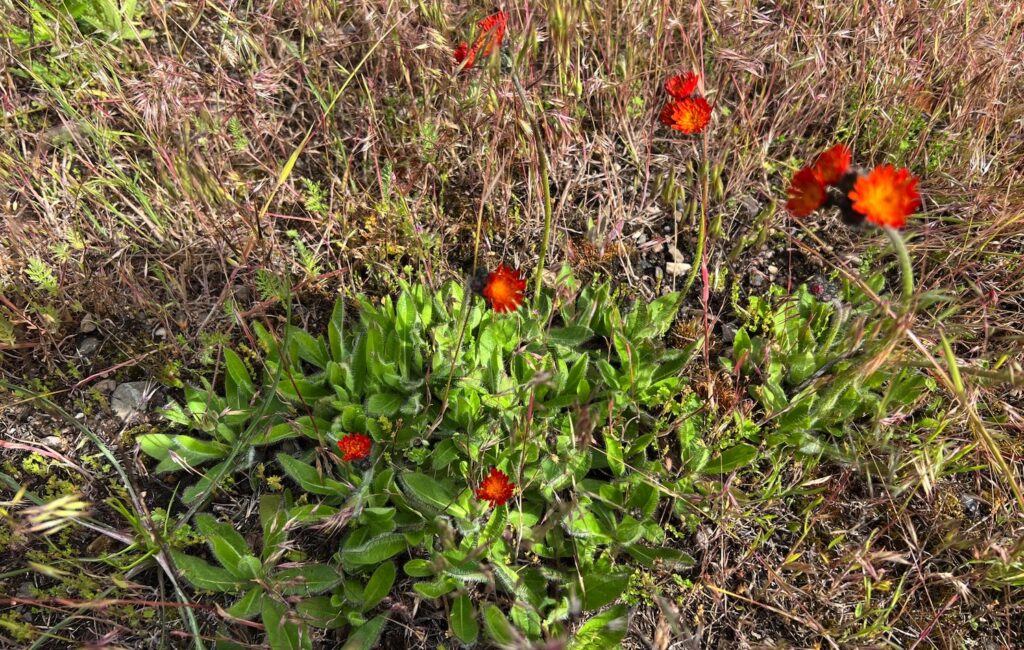
Orange Mountain Dandelion (Agoseris aurantiaca)
Oregon grape (Mahonia aquifolium) is a flowering herb that has been used for centuries in traditional Chinese medicine to treat numerous conditions, including psoriasis, stomach issues, heartburn, and low mood. It’s root and stalk contain active plant compounds, which may combat bacterial and fungal infections, as well as inflammatory and skin conditions. In a 6-month study in 32 people with psoriasis who applied an Oregon grape topical cream, 63% reported that the product was equal or superior to the standard pharmaceutical treatment.
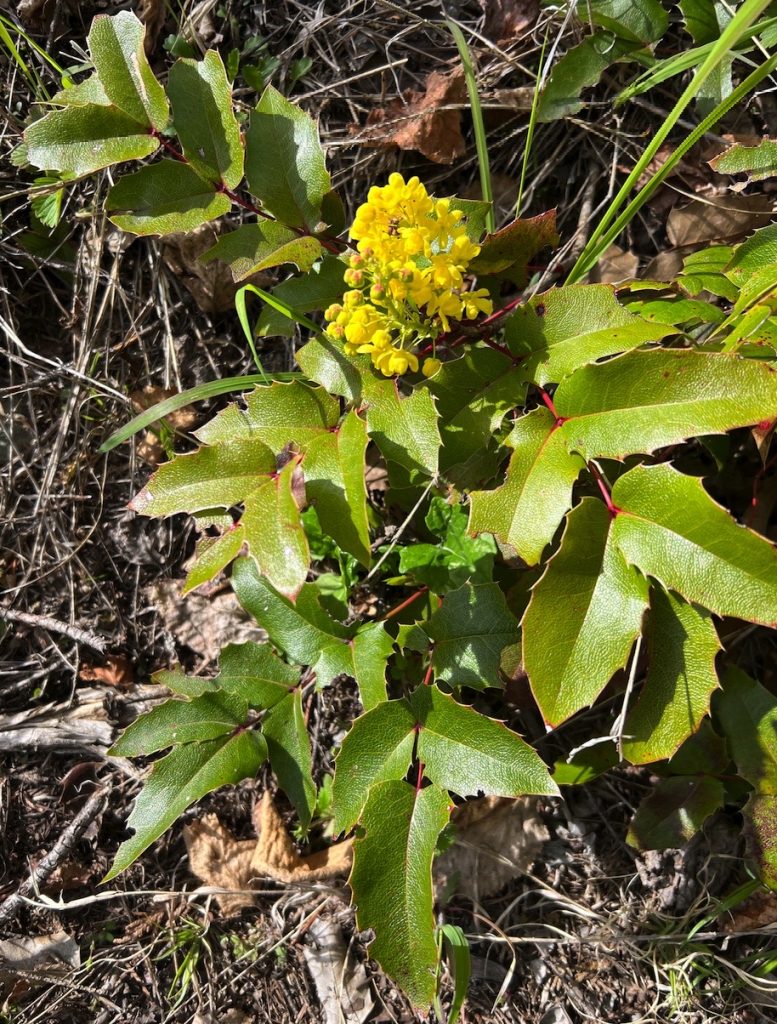
Oregon grape (Mahonia aquifolium)
Pineapple Weed (Matricaria discoidea) – Pineapple weed is also referred to as ‘wild chamomile’. It is edible and is a wonderful medicinal with uses similar to traditional German chamomile (which is also referred to as wild chamomile!). The flowers have been used in traditional and folk medicine for centuries to aid digestion, promote relaxation and sleepiness, and as a mild pain reliever. The most common way to use it is as a tea: Gently crush flower heads and pour boiling water over them, steep for 10 minutes. Pineapple weed tea is lightly sweet and tastes of pineapple and chamomile. But the flowers also make a tasty addition to salads or in baked goods. However, the way to distinguish Pineapple weed (wild chamomile) from German chamomile (also wild chamomile) is that Pineapple weed does not bloom into petalled flowers, whereas German chamomile does (see second picture).
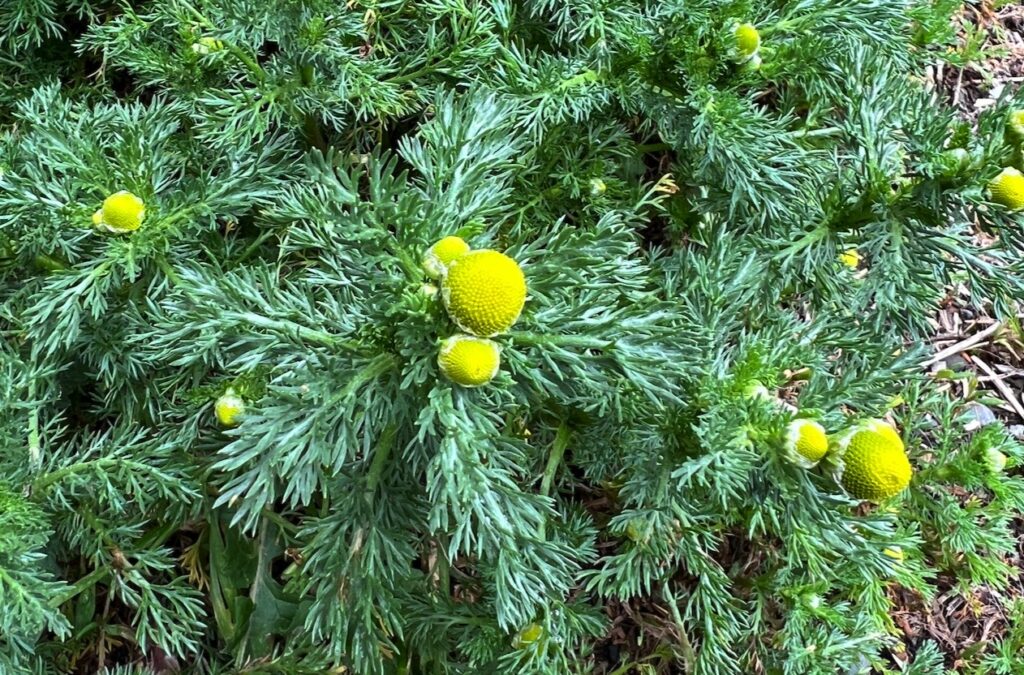
Pineapple Weed | Wild Chamomile (Matricaria discoidea)
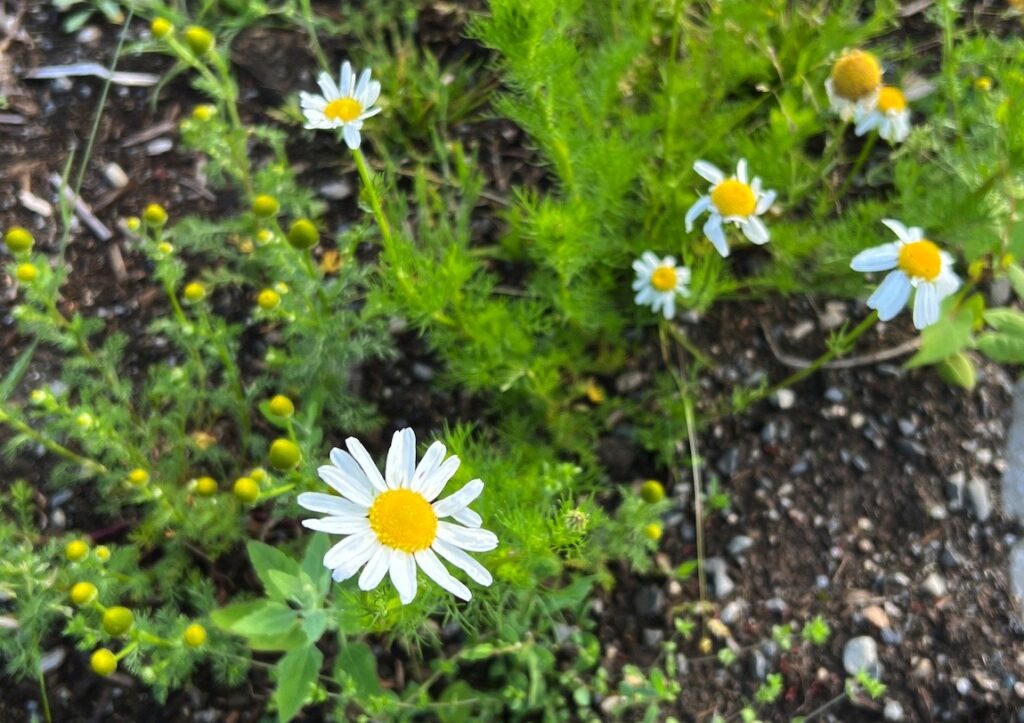
German chamomile in bloom, growing right next to Pineapple weed
Prarie Cinquefoil (Drymocallis arguta) – There are over 300 varieties of potentilla – commonly known as cinquefoil. Some Potentilla species (cinquefoils) have been used for their antidiabetic, antidiarrheal, antiviral, anti-inflammatory, wound healing, and anticancer effects in folk medicines. Was used as a laxative by Paiutes; cook the whole plant which looks silvery and silky. Is also used to make a red dye.
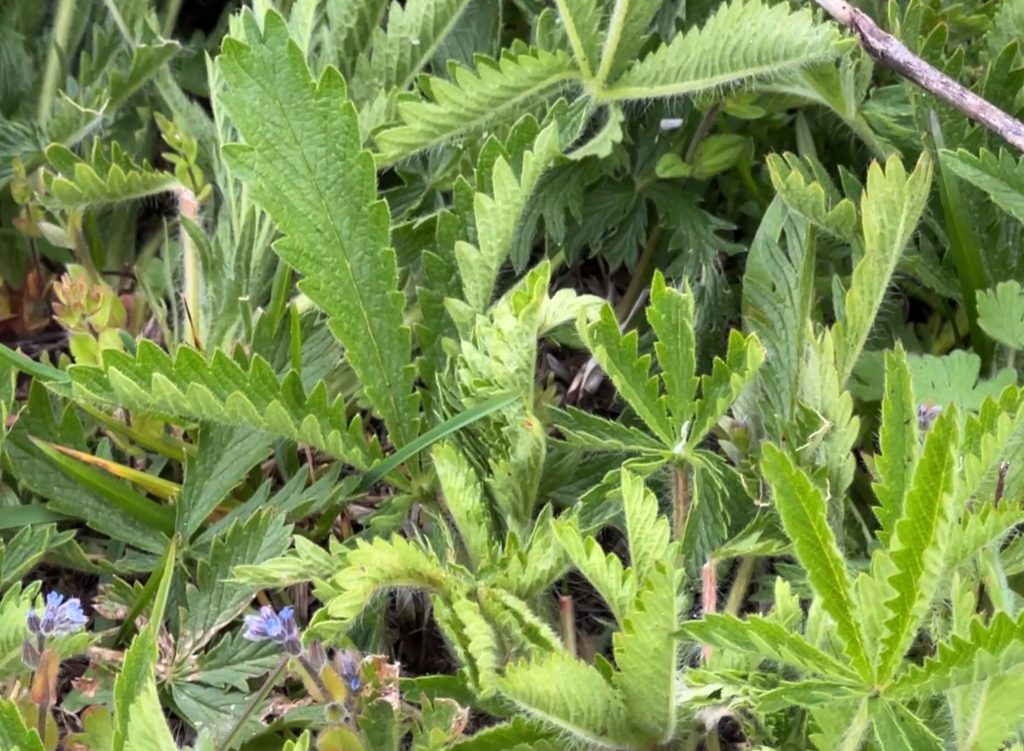
Cinquefoil (Potentilla) in Spring
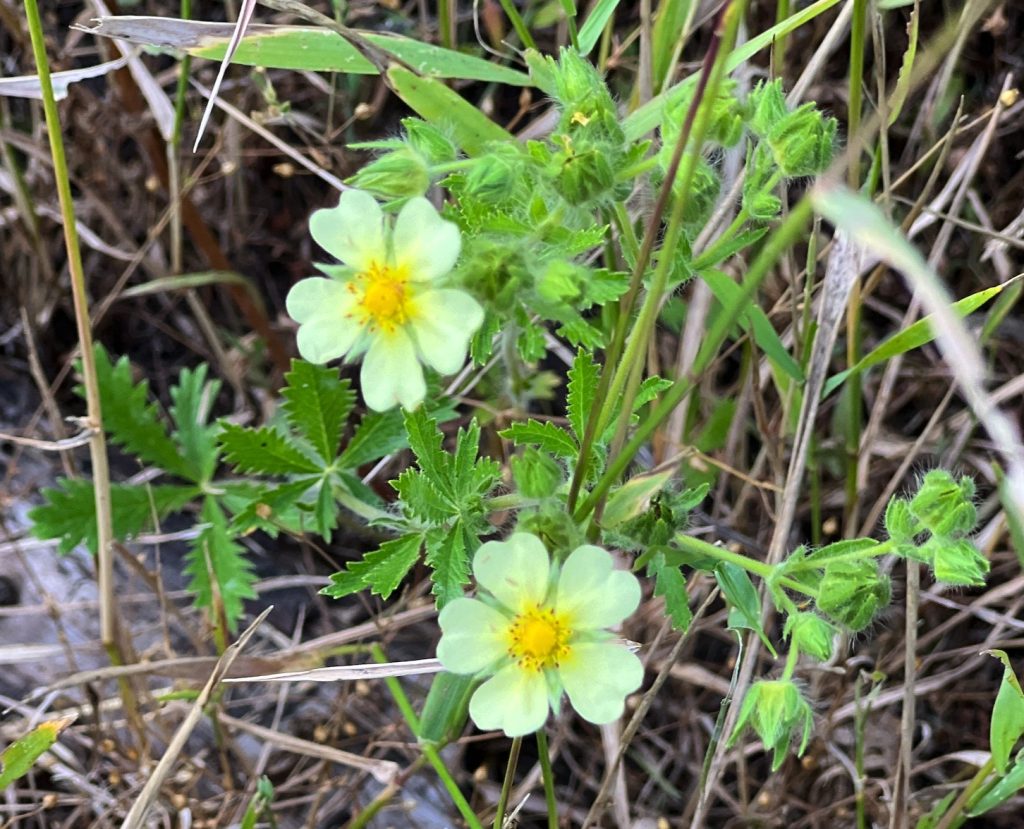
Cinquefoil in bloom
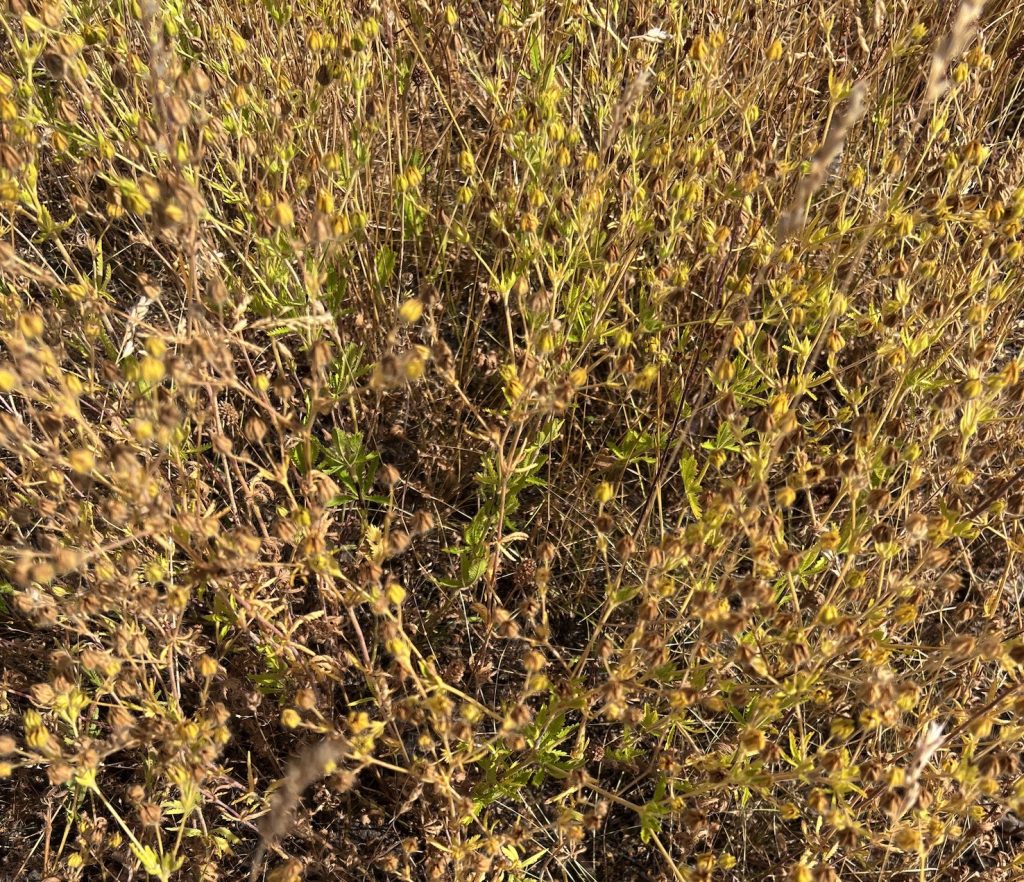
Cinquefoil in Autumn – dry and crispy
Saskatoon berry (Amelanchier alnifolia) – Flavonoid compounds in Saskatoon berries, in particular flavanol, anthocyanin, and proanthocyanin, possess anti-inflammatory, antitumor, and antidiabetes impacts.
The content of C3G (cyanidin 3-O-glucoside) in Saskatoon berry (117.67 mg/100 g) is significantly higher than wild blueberry (27.48 mg/100 g), raspberry (35.88 mg/100 g), strawberry (9.53 mg/100 g), chokecherry (46.01 mg/100 g), and sea buckthorn (0.05 mg/100 g). Because Saskatoon berries have strong activities of free-radical scavenging, they have antioxidant properties. A study found that concentrated crude extract of Saskatoon berries inhibited nitric oxide production in activated macrophages, showing a potential protective role against chronic inflammation.
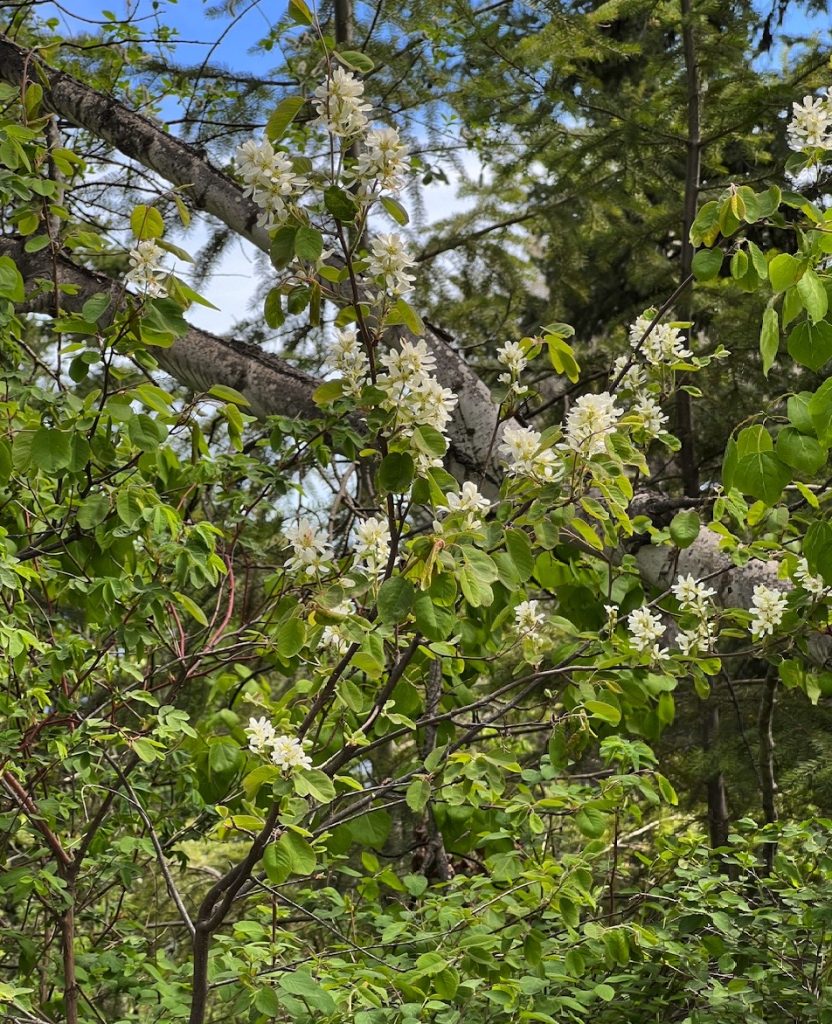
Saskatoon berry (Amelanchier alnifolia)
Shepherd’s Purse (Capsella bursa-pastoris) is a member of the cruciferous family. The name refers to the fact that the small pods look like the shoulder bags used by shepherds in the past. The documented traditional medical use relates to the symptomatic treatment of menorrhagia (menstruation that is too heavy and lasts too long) and metrorrhagia (bleeding outside the menstrual cycle). Cut shepherd’s purse herb is used as a tea preparation taken 3-5 days before menstruation. External use is also reported, for example for local treatment of nosebleeds, haemorrhoids and to stop bleeding from skin injuries.
This medicinal herb is edible both raw and cooked, and it is especially popular in Asian cuisine. Shepherd’s purse root is harvested while it is still in bloom. It is dried upside down and then used as a spice. The leaves and seeds of shepherd’s purse taste delicious steamed or raw in salads. The dried plant parts should be processed within three months, as they lose their active ingredients if stored for longer. In terms of flavour, the herb can be compared to cress.
Shepherd’s purse indicates that the soil has a moderate to good nitrogen supply due to its abundance. It can also be assumed that the soil is rich in humus. Shepherd’s purse also serves as an indicator of pasture overgrazing. It roots up to one metre deep. A single seed pod can produce up to 64,000 seeds. They remain germinable in the soil for up to 30 years. The bloom of Shepherd’s Purse looks very similar to Hoary Alyssum – the easy way to tell the difference is to look at the leaves. Only Shepherd’s purse will have tiny heart-shaped leaves – this was the shape of the old timey shepherd’s pack or purse.
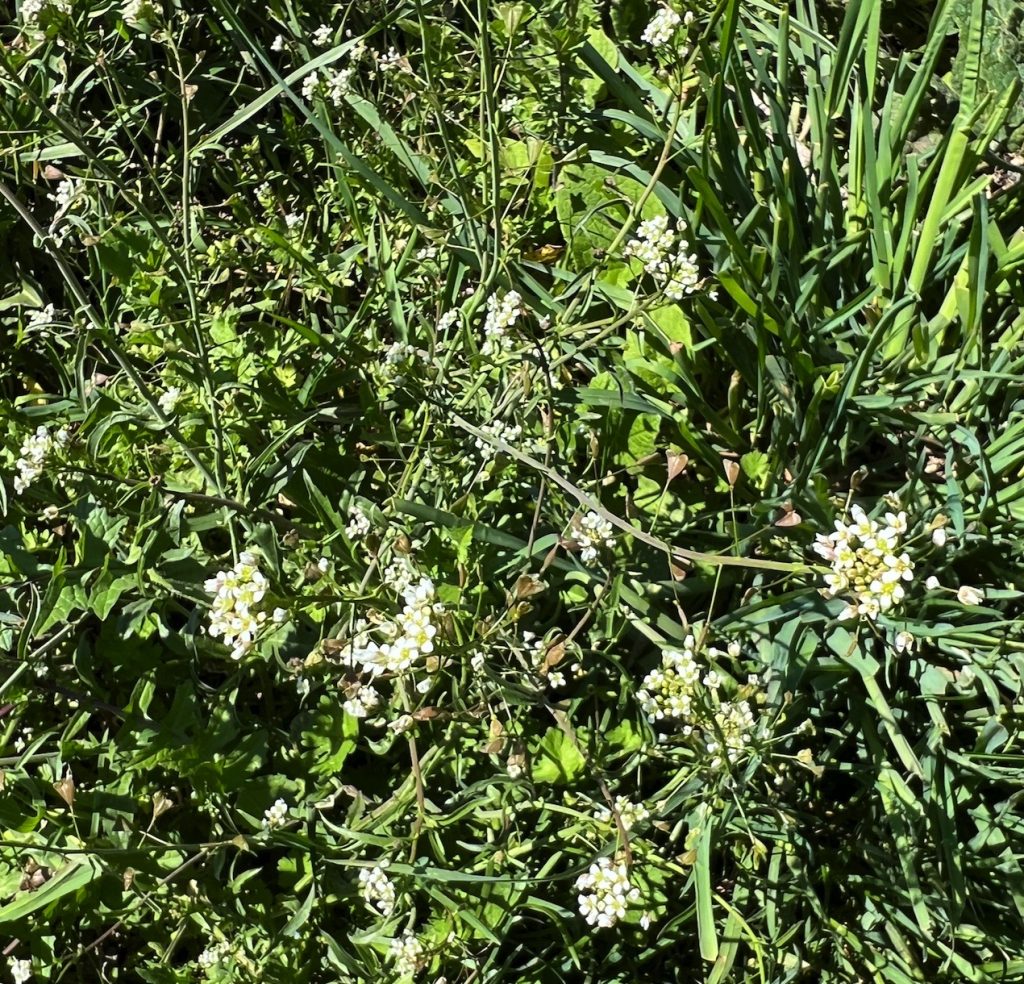
Shepherd’s Purse (Capsella bursa-pastoris) in Spring
Smooth Blue Aster (Symphyotrichum laeve) – The Chinese have used the root for centuries as an herb to relieve lung conditions like coughing and wheezing. It has a bittersweet flavor. The leaves and flowers of wild asters are also edible and considered beneficial to one’s health. Combined with bloodroot, aster makes a good laxative. Aster tea was used to treat earache, relieve gas pains, stomach aches, & fevers. The flowers and roots were both commonly used.
Native American tribes burned the flowers and leaves; the smoke being used in Inipi (sweat lodge) ceremonies, to revive the unconscious, to treat mental illness, nosebleeds, headaches, congestion, for smudging and as an additive to Kinnickkinnick smoking mixtures. The dried blossoms were also snuffed for similar purposes, or the vapor inhaled as a steam.
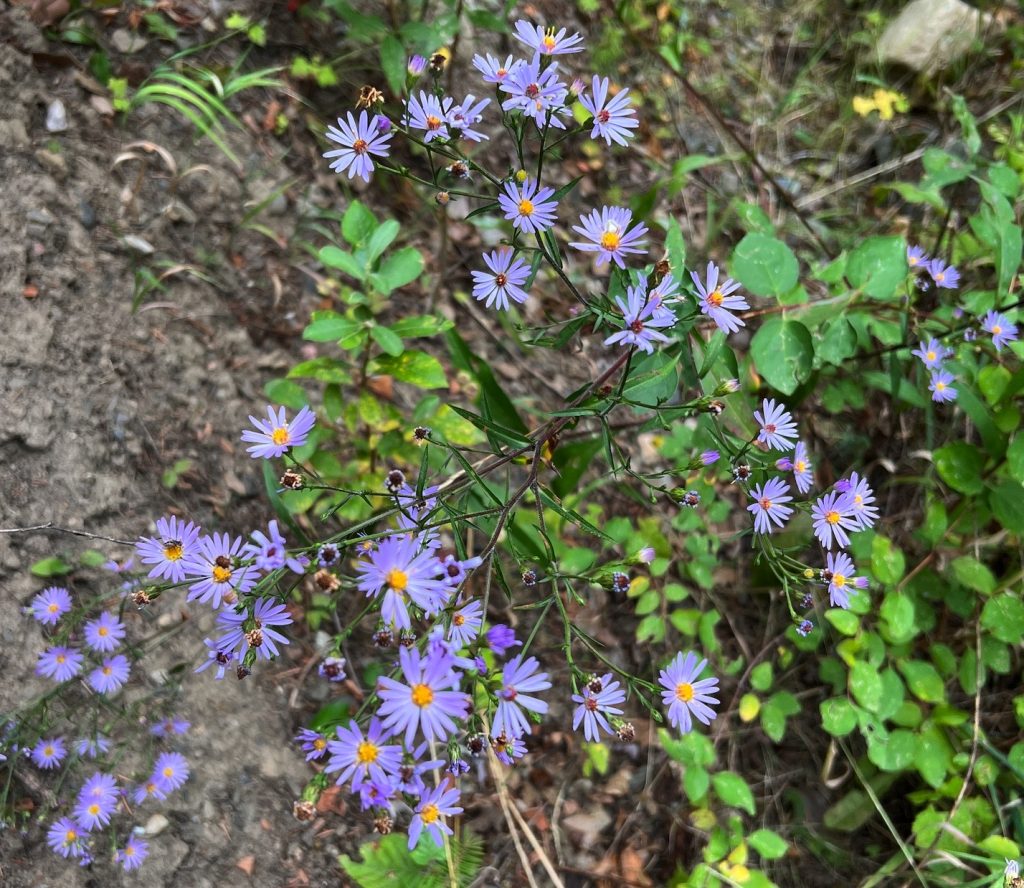
Smooth Blue Aster (Symphyotrichum laeve)
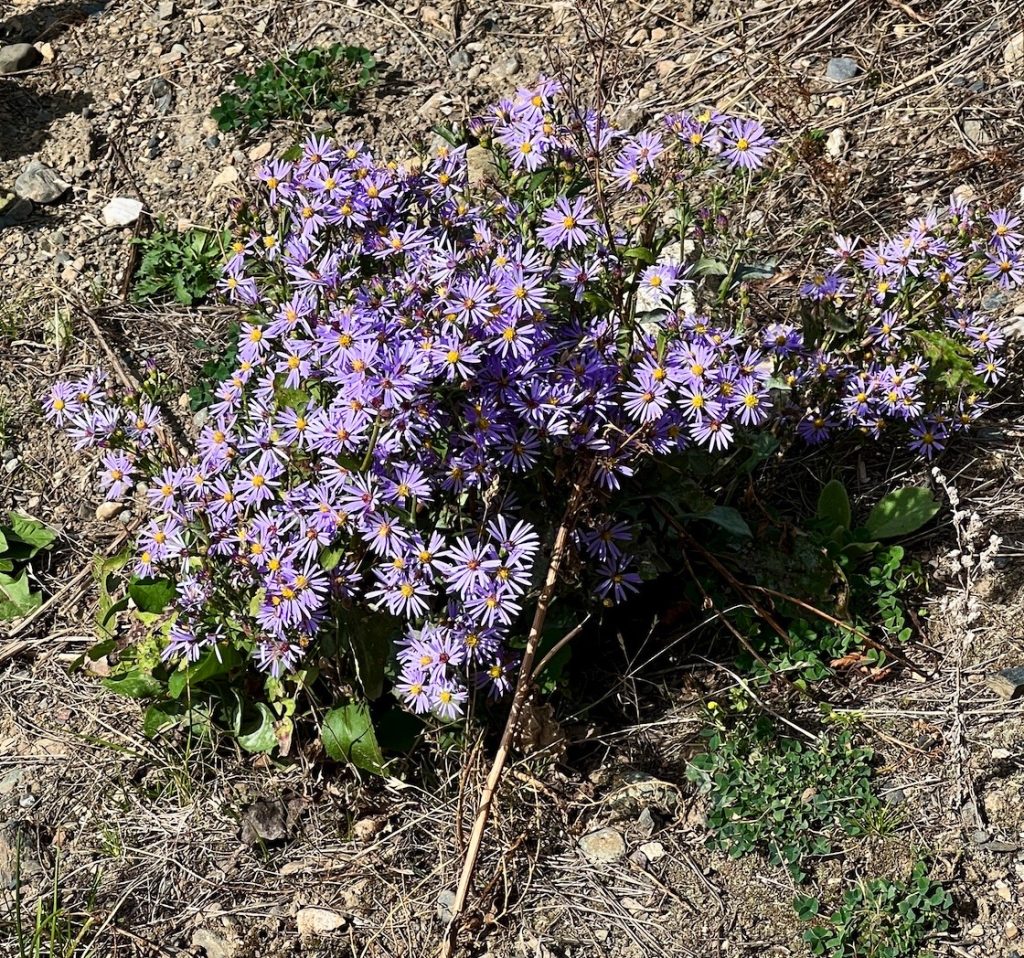
Smooth blue aster
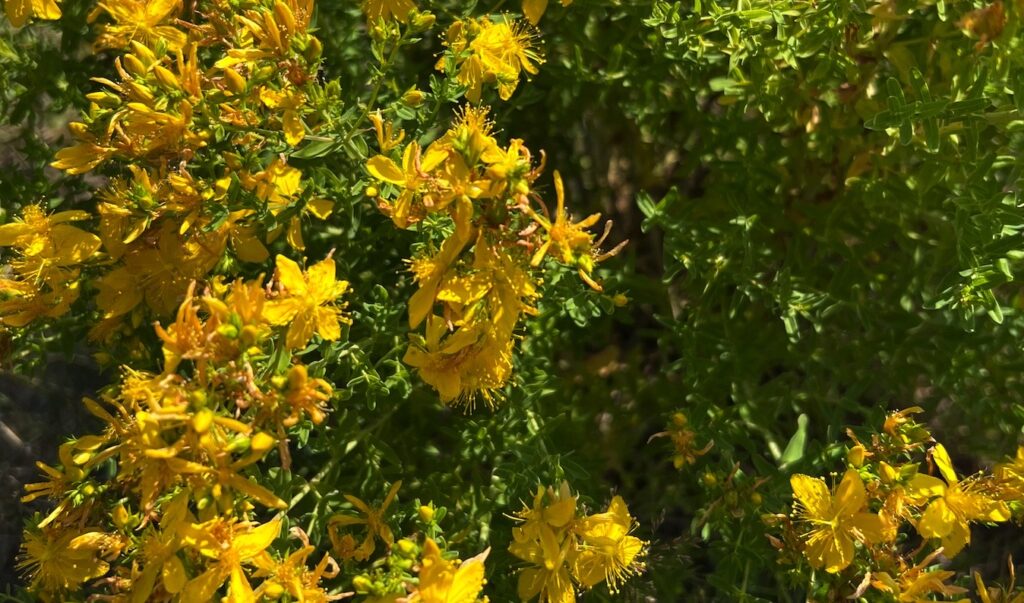
St. John’s Wort (Hypericum perforatum) – Traditionally, it was popular for sleep disorders, depression and wound-healing. Now it is used for anxiety and depression. St John’s wort contains a plant chemical called hypericin. A 2004 Italian study reported that hyperforin can increase the levels of the brain chemicals serotonin, dopamine and noradrenaline, which help to boost and regulate mood. Herbalists used to harvest the plant around St John’s Day on June 24th, which is how it came by the name.
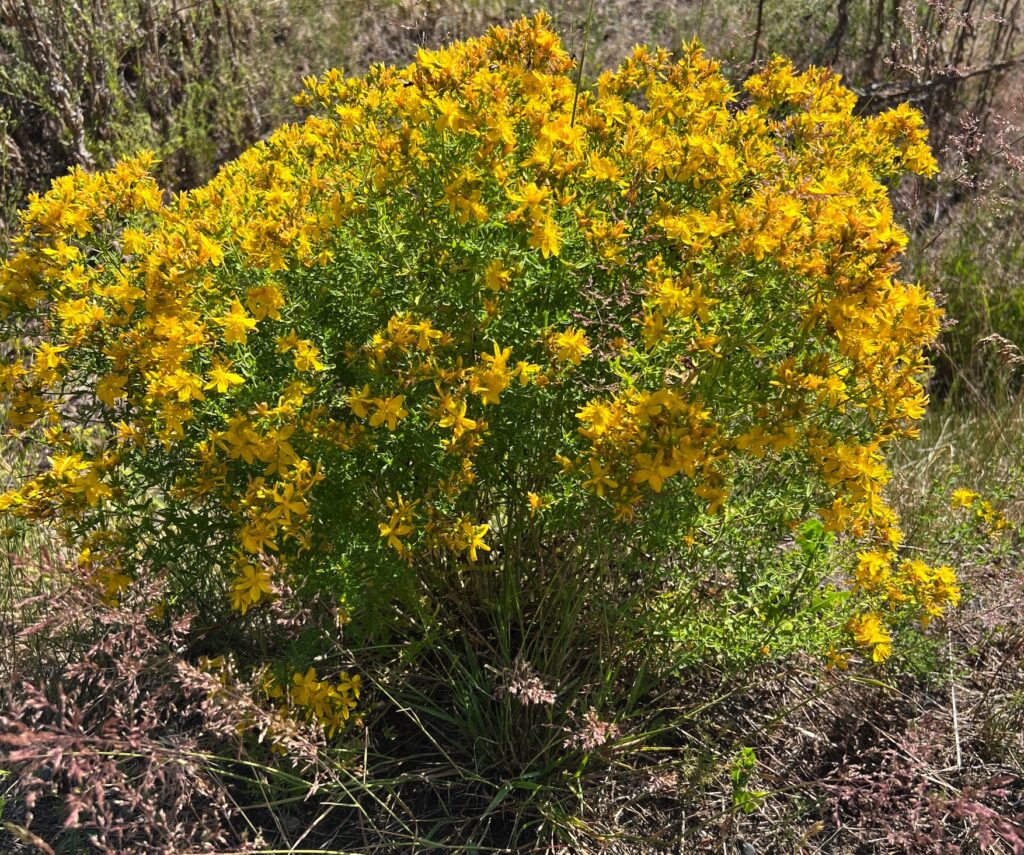
St. John’s Wort (Hypericum perforatum)
Stinging Nettle (Urtica dioica) – Roots, seeds, stems and young, tender leaves are all edible. Gather them early in the morning in early spring, before the plant flowers. For less bitterness, choose leaves that are no larger than 3 inches wide from plants no taller than 3 feet. Clip right above the node at an angle so the stem does not become waterlogged. Once flowers appear, greens become tough, with a less desirable taste. Mature fibrous stems have been used to make rope, cloth and fishing net.
Indigenous people used fresh leaves to treat acne, eczema, diarrhea, intestinal worms, and urinary tract infections. Nettles were boiled into a tea and drank as a childbirth aid by increasing milk production, hastening labor and relaxing the muscles.
Can reduce musculoskeletal pain: Nettle leaves are covered in tiny hairs which have a high silicon content, meaning they’re extremely brittle. When the leaf touches your skin, the round tips of the hairs break off. The sharp point of the hair then enters your skin and several chemicals, including histamine and serotonin, are produced. These chemicals can help to reduce pain by stimulating pain neurons, so the skin irritation overrides musculoskeletal pain.
When the hairs on nettle leaves are broken, formic acid is released, causing a stinging on the skin. Formic acid is used by humans for preserving livestock feed household cleaning products and to protect pipes against corrosion.
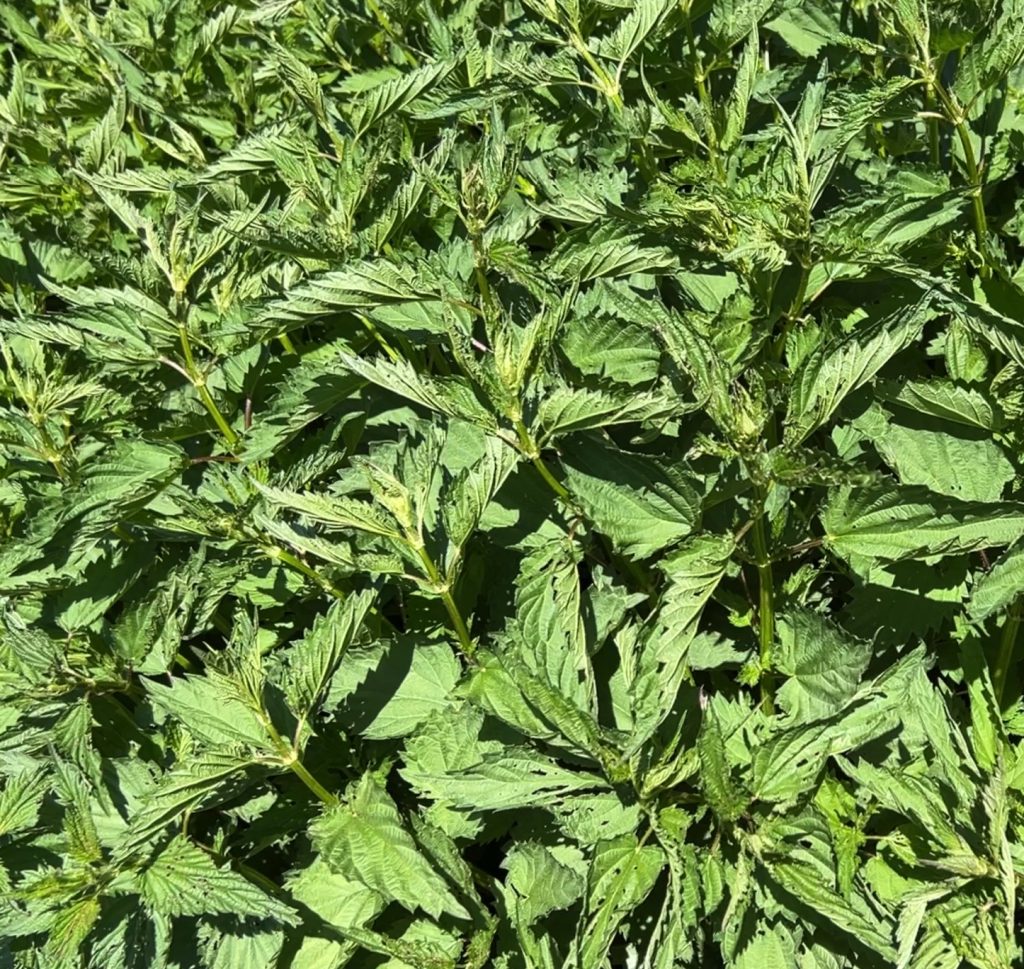
Stinging Nettle (Urtica dioica)
Storksbill (Erodium cicutarium) – member of the geranium family. Flowers June to August; can be white, pink, purple. The leaves, flowers, stems, and roots are edible and are utilized by chefs and home cooks as a flavorful herb in raw and cooked preparations. It is important to note that Stork’s-Bill may sometimes resemble Poison Hemlock, a plant that should be avoided and not consumed. The main differing characteristic between the two plants is the hairs on the stem of Storksbill. Stork’s Bill stems are hairy, and Poison Hemlock is smooth.
The leaves and flowers have a vegetal, parsley-like taste with green nuances and the roots release an earthier flavor with sweet, grassy undertones. Stork’s-Bill has a sharp, herbal, green, and subtly grassy flavor suited for fresh or cooked preparations. The young leaves are the most used portion of the plant for culinary dishes, but the flowers, stems, and roots are also edible. Storksbill leaves can be washed and added to salads, minced and stirred into dips, added to dressings, or sprinkled over dishes as a garnish. The leaves can also be layered into sandwiches, added to fresh spring rolls, or topped over soups and curries. Use Stork’s-Bill similarly to herbs versus a leafy green. The leaves can also occasionally be substituted in recipes calling for beet greens, carrot greens, water spinach, or amaranth. In addition to the leaves, the young roots can be consumed raw, releasing earthy flavors, or they can be lightly sauteed and added to vegetable side dishes, salads, and main dishes. Stork’s-Bill pairs well with nuts such as almonds, pine, and walnuts, celery, mushrooms, potatoes, tomatoes, cheeses, especially cheddar, parmigiano, and pecorino, herbs such as basil, mint, and oregano, and vinegar, notably red and white wine. Whole, unwashed Stork’s-Bill should be used immediately for the best quality and flavor. The leaves can also be wrapped in paper towels and stored in a sealed container for a few days in the refrigerator’s crisper drawer.
Storksbill leaves are used as a natural medicine to calm the digestive tract. In Patagonia and East Anatolia, the greens are commonly used in an infusion and are consumed to alleviate constipation and stimulate digestion. The Zuni people in New Mexico of the United States also infuse the plant’s roots into a drink to calm the stomach. The roots are pulverized and topically applied to skin irritations and sores, and the plant was used among several other Native American tribes to reduce symptoms associated with typhoid fever.
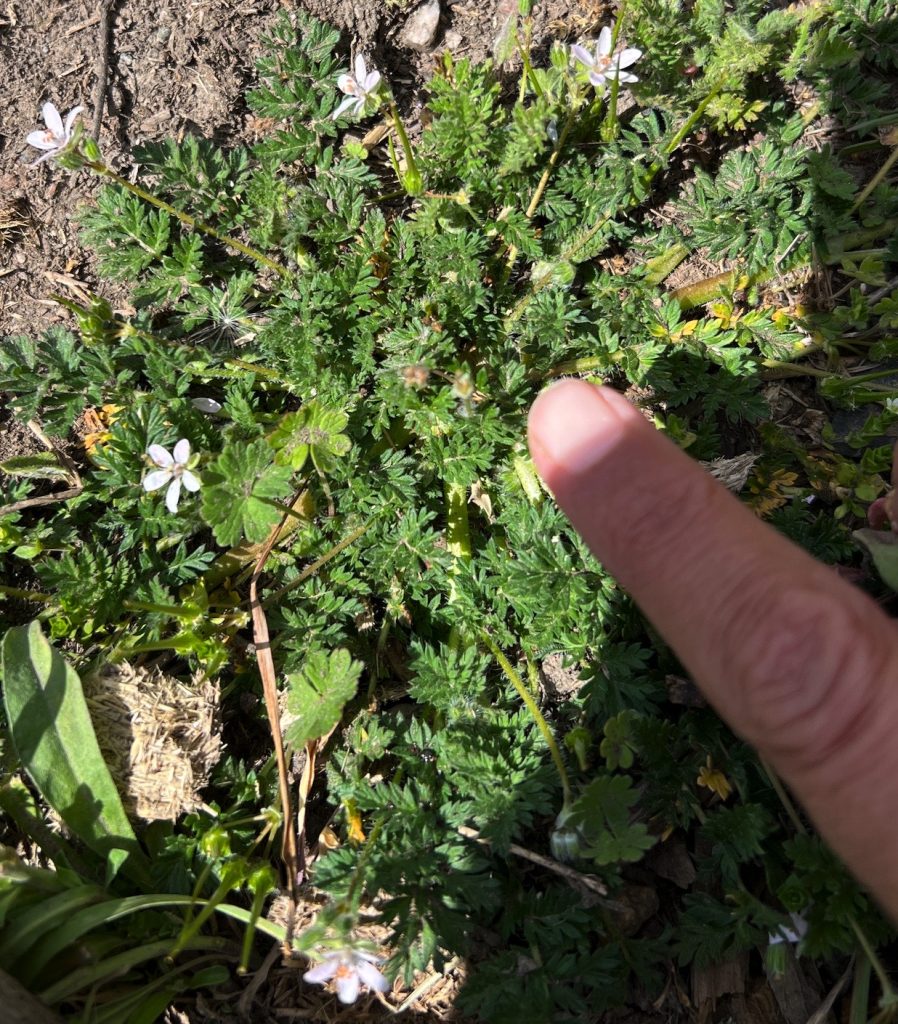
Storksbill (Erodium cicutarium)
Strawberry•Wild (Fragaria virginiana) – Found in patches in fields and dry openings, this plant produces the finest, sweetest, wild strawberry. The edible portion of the strawberry is actually the central portion of the flower (receptacle) which enlarges greatly with maturity and is covered with the embedded, dried, seed-like fruit. Cultivated Strawberries are hybrids developed from this native species and the South American one. Crushing ripe, wild strawberries into a paste and applying to the face as a 10-minute mask helps tone and lighten spots, reduce the appearance of wrinkles, and more. Rich in alpha hydroxy acid, the strawberries are a tonic that refreshes the skin.
The tea made from strawberry leaves is a gentle and nourishing blood tonic. Diuretic and gently depurative, the leaves can help cleanse the body. They contain tannins, an astringent component that will relieve diarrhea when taken as an infusion. An infusion of the leaves can be used as a substitute for tea and calms nerves before bed.
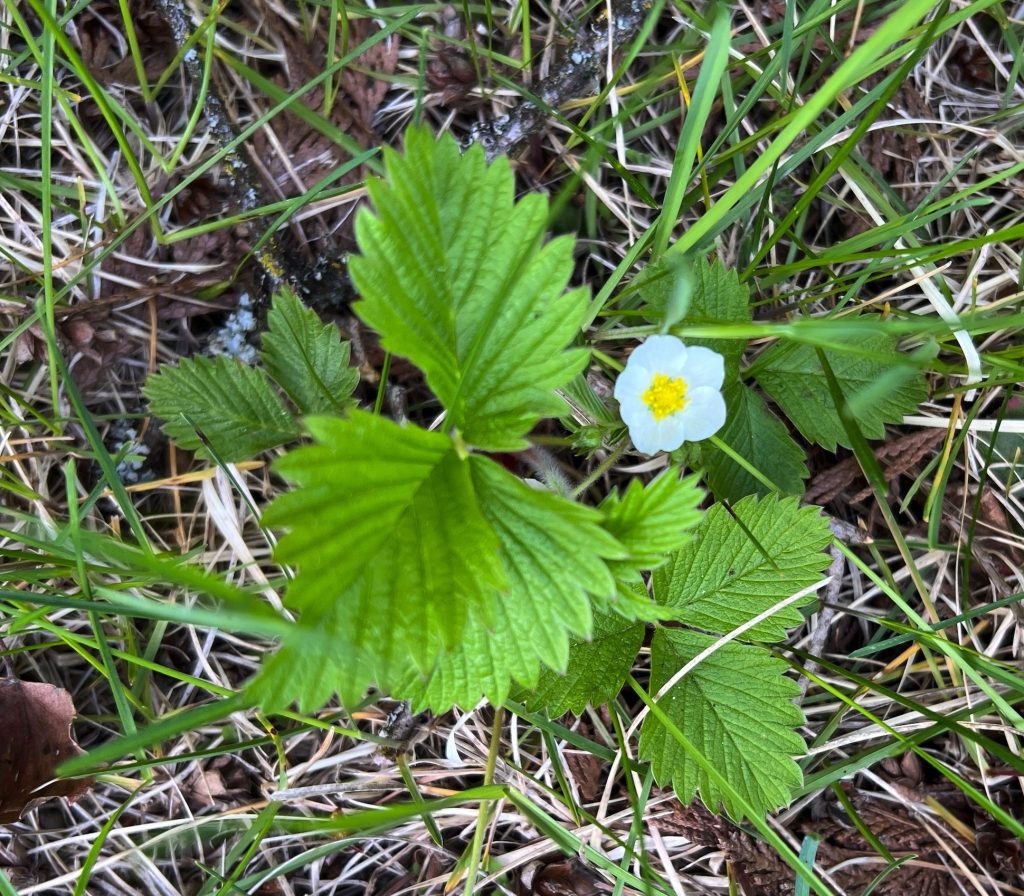
Strawberry•Wild (Fragaria virginiana)
White Clover (Trifolium repens) – All aerial parts of this plant are edible, including the stems, leaves, flowers, and seed pods. The leaves and flowers have a delicate, sweet taste and can be used fresh right after harvesting or dried for later use. The most common way to consume the leaves and flowers is to brew them to make a white clover herbal infusion.
Fresh leaves also taste great in a salad, soup, or vegetable stir-fry. While dried leaves can add a mild, vanilla-like flavor to baked goods. Dried clover flowers are also great for adding flavor to baked goods as well as jelly and cool beverages. Fresh white clover flowers can also be used as an edible garnish in various dishes.
Although not as powerful as Red Clover, a white clover infusion can boost the immune system and treat fever, coughs, and colds. It’s also good for treating common cold symptoms, such as congestion and headaches.

White Clover (Trifolium repens)
Wild Rose (Rosa acicularis) – After the showy pink flowers bloom in June and July, the fruit develop into red berries called rose hips. Rose hips are best picked and eaten when they are ripe in August and September. Remember to spit out the seeds before swallowing or you will quickly learn why rose hips are called “itchy bums!” Rose hips can also be fried and eaten. Boiled rose hips can be mashed and strained through a cheese cloth to remove the seeds. The strained juice can then be made into jam, jelly, or syrup. In early summer, green rose hips can be picked, boiled and strained to make a thickening agent, like Certo pectin. Green rose hip juice can either be used immediately or stored in jars for later use. Wild rose water prepared from the rose petals can be use as a facial toner or eye wash.
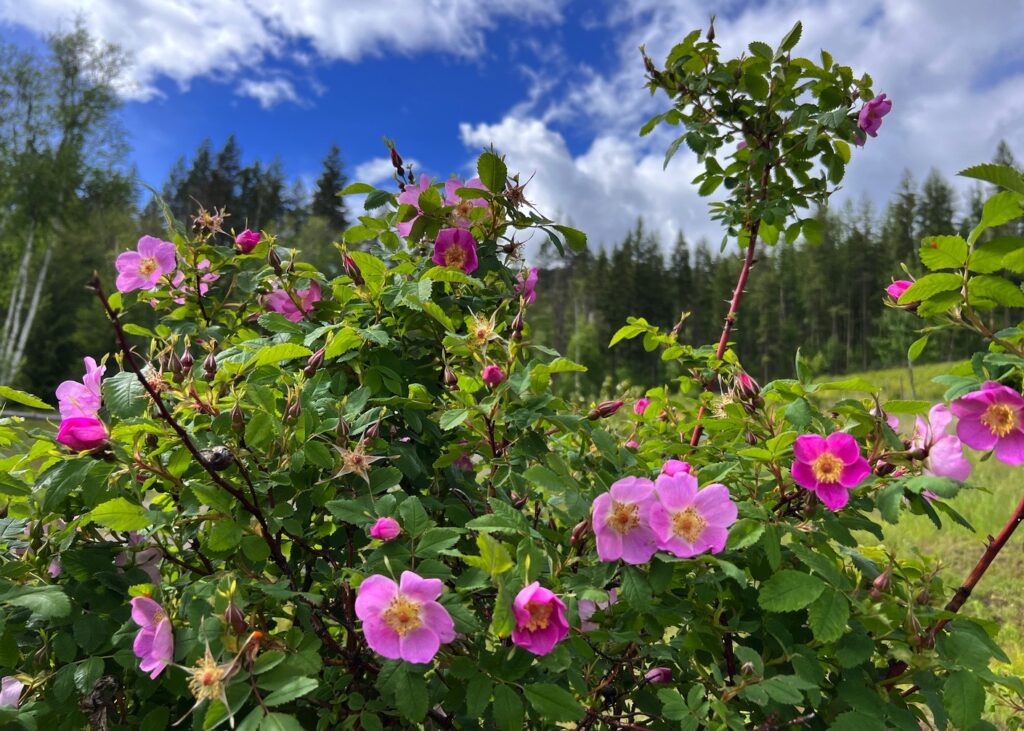
Wild Rose (Rosa acicularis)
Yarrow (Achillea millefolium) – Yarrow has mainly been used as a wound herb. The tannins exhibit an astringent effect, on both exterior and interior surfaces of the body. The volatile oil constituents, such as cineole, have antiseptic qualities, while azulene not only reduces inflammation, but stimulates the formulation of tissue for wound healing. Yarrow can swiftly, and effectively, help seal and heal all manner of cuts and wounds.
To stop bleeding, take some clean, fresh leaves and chew them up in order to release the juices of the plant. Use this “spit poultice” on your cut, scrape or wound. If you’d rather not chew-up the leaves, place them in a mortar and pestle, or in a food processor and grind them up.
Regularly eating or drinking yarrow helps prevent and treat dyspepsia and ulceration. It also promotes a sedative effect on the nervous system, and is often employed as an anti-spasmodic for nervous dyspepsia. Yarrow is acclaimed for helping heal and tone the mucus membranes throughout the gastro-intestinal-tract. Nature’s abundant anti-inflammatory phenol, salicylic acid (aka salicin), can also be found in yarrow. Harvest in the Spring.
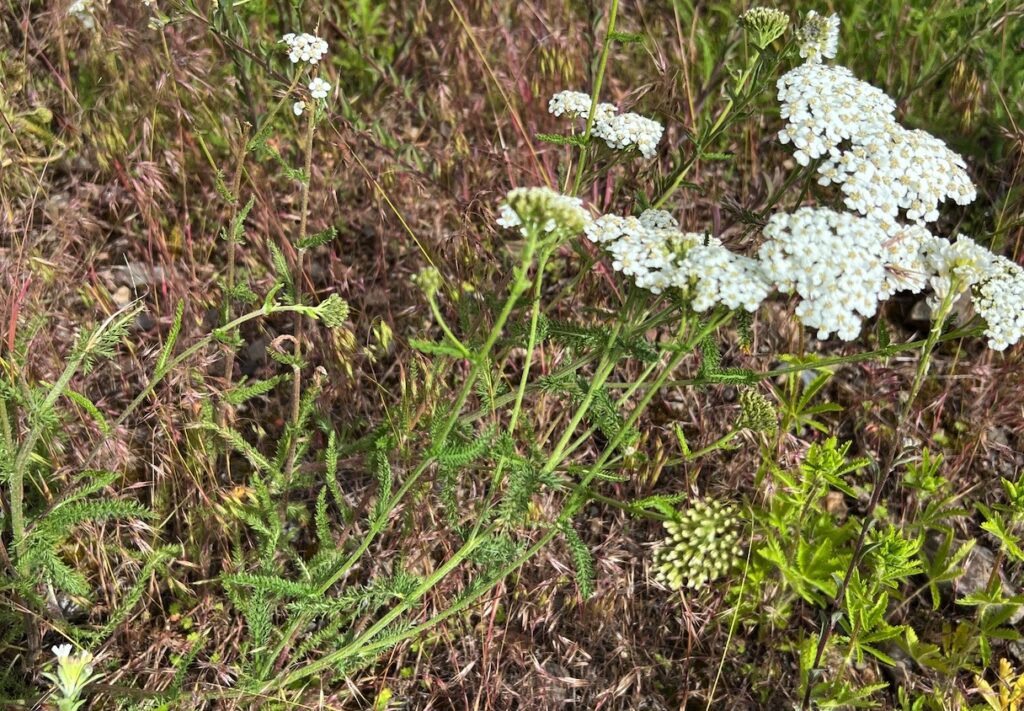
Yarrow (Achillea millefolium) in full flower (June 3rd). Notice cinquefoil growing nearby. The fern-like petals are first visible in early Spring.
A brief look at a typical plant ecosystem here at the Singing Horse Ranch: In this photo you can see burdock, hedge mustard, comfrey and stinging nettle all happily co-existing and the horses have plenty of other plants they can eat.